
Handwoven and machine-made shawls differ in how their fabric is produced, the characteristics of their weave, and often their labour requirements and price. However, visual irregularities or a handloom claim alone cannot establish fibre purity or prove where a shawl was made.
Whether you are shopping for your wedding trousseau, picking a luxury gift for a loved one, or buying your very first heirloom warp, understanding the choice between handwoven vs machine-made pashmina helps you spend your money wisely without getting fooled by clever marketing.
Comparison Summary: Handwoven vs Machine-Made Pashmina
| Feature | Handwoven Pashmina | Machine-Made Pashmina |
| Production Method | Hand-spun yarn woven on traditional wooden handlooms (twan) by skilled artisans. | Industrial power looms weaving spun yarn mechanically at high speeds. |
| Weave Consistency | Organic, slight irregular tension, soft natural edges, classic chashm-e-bulbul (eye of diamond) pattern. | Perfectly uniform structure, hyper-symmetrical threads, factory-stitching or stiff machine edges. |
| Fibre Compatibility | Handles delicate, un-strengthened 12–15 micron Changthangi cashmere fibres gently. | Often requires blending with nylon/silk or chemical strengthening agents to survive machine tension. |
| Production Time | 72 hours to several months depending on weave and embroidery complexity. | 15 to 30 minutes per shawl on modern industrial looms. |
| Price & Availability | Premium price tag (typically ₹15,000 to ₹1,00,000+); limited artisanal batches. | Pocket-friendly (typically ₹2,000 to ₹8,000); produced in bulk quantities. |
| Durability & Drape | Softens naturally over decades; fluid drape that moulds effortlessly around the shoulders. | Uniform hand-feel; can feel stiff initially if blended with synthetic sizing agents. |
What Does Handwoven Pashmina Mean?
When we talk about a genuine handwoven pashmina, we are referring to a centuries-old craft originating in the high-altitude valleys of Kashmir.
The process begins high up in the Himalayas of Ladakh, where the Capra Hircus goat produces an ultra-fine undercoat to survive freezing winters. This raw cashmere fibre—measuring a microscopic 12 to 15 microns in diameter—is hand-combed during spring.
To make a true handwoven shawl:
- Hand Spinning (Katai): Artisans use a traditional wooden spinning wheel (charkha) to turn raw fleece into delicate thread.
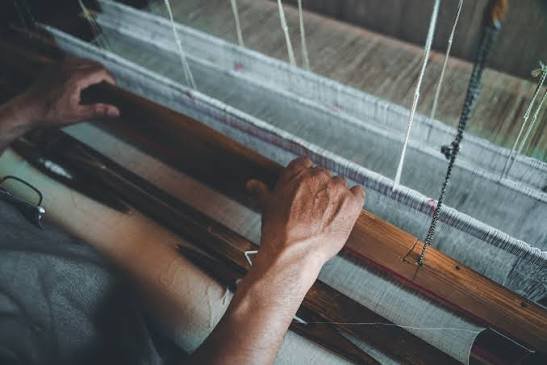
- Hand Weaving (Bunaai): The fine thread is mounted onto a traditional wooden handloom. Master weavers manually interlace the warp and weft threads using foot pedals and hand shuttles.
Because fine Pashmina fibre lacks the tensile strength to endure high-speed industrial machinery without snapping, handweaving remains the gentlest, most authentic method of crafting 100% pure Kashmiri pashmina shawls.
What Does Machine-Made Pashmina Mean?
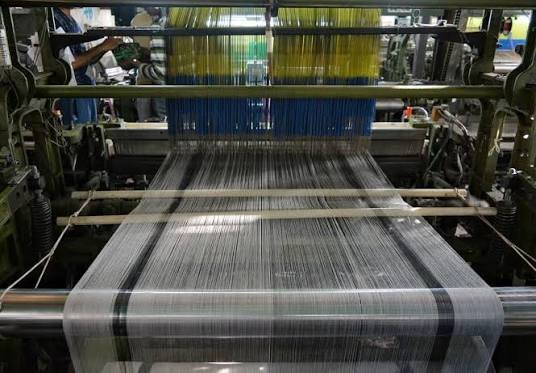
A machine-made pashmina shawl is produced on high-speed mechanical power looms. While industrial production brings down cost and makes warm shawls accessible to a broader audience, it fundamentally changes how cashmere fibre is handled.
Power looms pull threads with immense force and speed. Because delicate 100% pure raw pashmina yarn easily snaps under high tension, factory manufacturers usually take one of two paths:
- Fibre Blending: They mix raw cashmere with stronger materials like nylon, silk, or fine sheep wool to withstand machine weaving.
- Chemical Strengthening: They coat fine yarn in chemical sizing agents before weaving, which are washed out later, though this can alter the natural cloud-like softness of the wool.
Machine weaving isn’t inherently “bad”—it provides neat, durable, budget-friendly winter wraps—but calling a power-loom shawl an authentic handloom Kashmiri masterpiece is simply inaccurate.
Key Differences Between Handwoven and Machine-Made Shawls
Let’s unpack the core technical and practical differences when comparing handwoven vs machine-made pashmina options.
1. Production Method
- Handwoven: Craftsmen weave thread by thread using human dexterity. The tension applied across the warp varies subtly with every push of the loom pedal.
- Machine-Made: Mechanical rollers feed yarns under computerized calibration. Every square inch of fabric experiences identical mechanical tension.
2. Weave Consistency and Edge Finishing
- Handwoven: Look closely at a handloom shawl against light. You’ll notice slight weave variations, delicate hums of uneven thread density, and raw, soft selvedge edges. Artisans often weave using the signature Chashm-e-Bulbul (diamond weave) pattern, which is almost impossible to replicate with identical depth on standard power looms.
- Machine-Made: The pattern is flawless, perfectly symmetrical, and straight. The edges (selvedges) are tightly cut, machine-overlocked, or fused with hard edges.
3. Production Time and Labour
- Handwoven: Spinning the yarn and weaving a single plain handloom shawl takes anywhere from 4 to 8 days of painstaking manual labor. If it features intricate Sozni or Aari embroidery, it can take anywhere from 3 months to over a year!
- Machine-Made: A automated power loom can produce dozens of shawls in a single shift with minimal human intervention.
4. Price and Availability
- Handwoven: Due to high labor intensity, raw material scarcity, and pure craftsmanship, genuine handloom pashmina pricing reflects its luxury status. Prices usually start around ₹15,000 for basic solid weaves and scale into lakhs for heirloom pieces.
- Machine-Made: Economical production keeps prices accessible, generally ranging between ₹2,000 and ₹8,000.
Can You Tell the Difference by Looking at a Photograph?
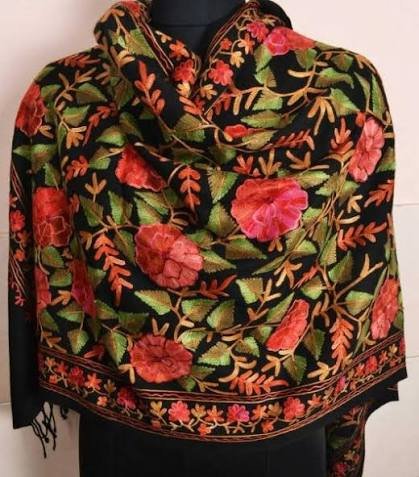
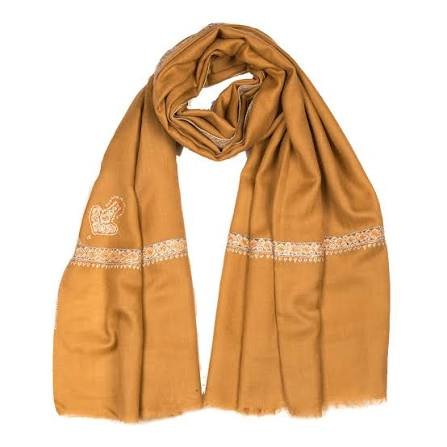
Here is a reality check every online shopper needs to hear: You cannot reliably distinguish between a handwoven and a machine-made pashmina shawl just by looking at standard product photos.
High-resolution studio photos can easily hide subtle weave patterns, soft edges, and thread structures. Furthermore, dishonest sellers frequently use pictures of genuine handloom shawls while delivering mass-produced power-loom knockoffs.
While a photo might show vibrant colors or beautiful embroidery, it cannot convey:
- The Weight & Warmth Ratio: Pure pashmina feels featherlight yet delivers incredible insulation.
- The Fabric Drape: Handwoven shawls drape fluidly without synthetic stiffness.
- The Micron Count & Fibre Purity: No camera lens can verify whether yarn was blended with polyester or viscose.
To buy safely online, rely on verified product certifications, video demonstrations, transparent seller policies, and laboratory testing rather than photos alone.
Does Handwoven Automatically Mean Pure Pashmina?
No, handwoven does not automatically mean 100% pure pashmina.
This is one of the biggest misconceptions among Indian luxury buyers. A shawl can easily be woven on a traditional wooden handloom using:
- Standard sheep wool (Merino)
- Silk-cashmere blends
- Viscose, acrylic, or nylon blended yarns
“Handwoven” refers exclusively to the crafting technique (how the fabric was constructed), whereas “Pashmina” or “Cashmere” refers to the specific raw fibre (the undercoat of the Changthangi goat).
An artisan can weave a 50% acrylic and 50% wool shawl on a handloom. It will technically be “handwoven,” but it will not be a pure Pashmina shawl. Never treat a handloom claim as proof of fibre purity.
How to Verify Fibre Composition and GI-Related Claims
When buying high-value pashmina in India, skip the urban legends (like the famous “ring test,” which synthetic silk can easily pass) and stick to scientific and official verification methods:
1. Look for the Geographical Indication (GI) Tag
The Government of India awards an official GI Tag to authentic Kashmiri Pashmina. A GI-certified shawl guarantees three non-negotiable standards:
- It is made from pure 100% fine Pashmina fleece (below 16 microns).
- It is hand-spun on a traditional charkha.
- It is hand-woven on a traditional Kashmiri handloom.
Each GI-certified shawl features a secure micro-optical hologram with a unique trackable code that you can verify online on the official Indian GI registry portal.
2. The Burn Test (For Sample Threads)
If you have a spare loose thread from your shawl fringe, you can perform a quick burn test at home:
- Pure Pashmina (Animal Protein): Burns slowly with a faint flame, smells like burnt human hair, and leaves behind a dark, crumbly ash that turns to powder when rubbed between your fingers.
- Synthetic Blends (Polyester/Nylon): Melts quickly into a hard, plastic-like bead, smells chemical, and gives off black smoke.
Questions to Ask a Seller Before Buying
To make sure you get authentic quality for your money, ask any luxury retailer or online brand these direct questions before making a purchase:
- “Is this shawl hand-spun and hand-woven, or power-loom crafted?” (Look for clear, written confirmation in your invoice).
- “Can you provide a laboratory test certificate or a GI Tag for fibre purity?” (Reputable sellers will happily provide GI certification or independent lab reports).
- “What is the exact fibre composition?” (Ensure it states 100% Pashmina/Cashmere, not ambiguous terms like “Pashmina Mix,” “Kashmiri Wool,” or “Pashmina Feel”).
- “What is your return and authentication policy?” (Transparent brands offer easy returns and stand by their authenticity claims).
Frequently Asked Questions (FAQs)
Is handwoven Pashmina always authentic?
No. “Handwoven” only describes the weaving method on a handloom. A handwoven shawl can still be made using coarse sheep wool, silk, or synthetic blends. Always verify the fibre purity separately through GI tags or lab tests.
Can machine-made shawls contain cashmere?
Yes, machine-made shawls can contain real cashmere. However, because pure fine cashmere yarn snaps easily under high machine tension, power-loom versions are often blended with silk, sheep wool, or synthetic fibres for strength.
Does a handloom guarantee quality?
A handloom guarantees traditional craftsmanship, human artistry, and a soft drape, but it does not automatically guarantee top-tier quality. Quality depends on the quality of raw fleece (micron count), spinning consistency, dye quality, and the weaver’s skill level.
Final Thoughts
Understanding the nuance between handwoven vs machine-made pashmina helps you make an informed choice based on your budget, style preferences, and appreciation for traditional craft. If you want a budget-friendly winter drape for daily wear, a machine-woven blend works nicely. But if you are looking to invest in a timeless heirloom crafted with centuries of heritage, nothing compares to an authentic, GI-tagged, handwoven Kashmiri pashmina shawl.
See Also
- Handloom vs Machine-Made Pashmina: What’s the Real Difference?
- Comparative Study on the Quality Characteristics of Handmade and Machine Made Pashmina Shawls
- How to Identify Pure Pashmina Shawl at Home: The Complete 6-Step Checklist
- Kashmir Pashmina GI Tag Lookup: How to Check the Seal Online Before Buying
- The Journey of Raw Pashm: How Is Kashmiri Pashmina Made Step by Step?
- The Microscopic Truth: How a Lab Identifies Fake Cashmere