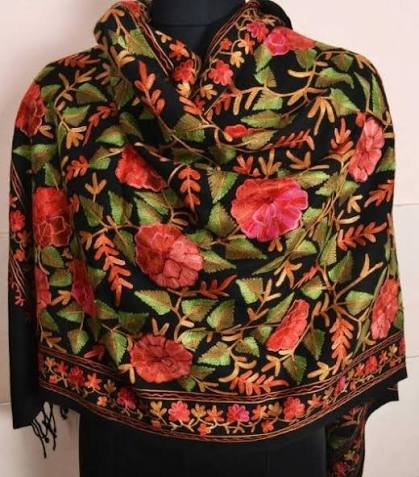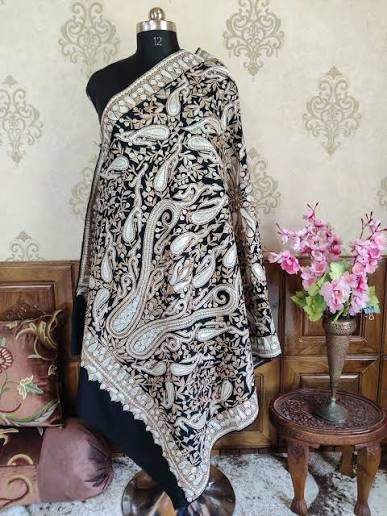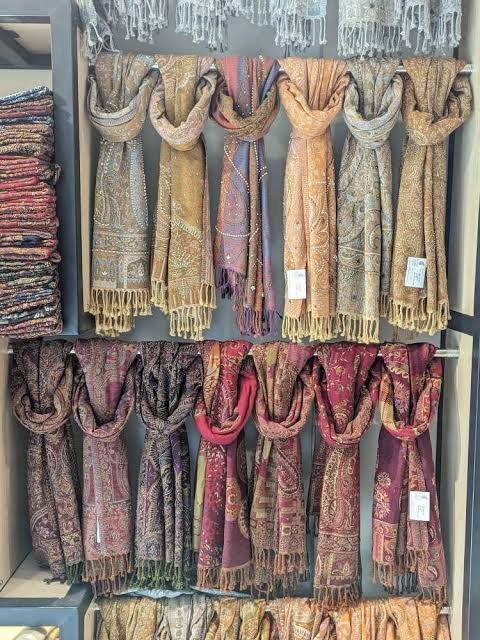

If you are shopping for a good winter shawl, sooner or later you are likely to face the Pashmina vs Merino wool question.
Both fibres are soft. Both are warm. Both can be expensive when the quality is good. And both are used to make beautiful shawls, scarves and winter clothing.
But they are not the same thing.
Pashmina comes from the exceptionally fine undercoat of high-altitude goats, while Merino wool comes from Merino sheep. Pashmina is prized for being remarkably light, soft and luxurious. Merino, on the other hand, is extremely versatile, durable and available in everything from fine shawls to sweaters, socks and thermal base layers.
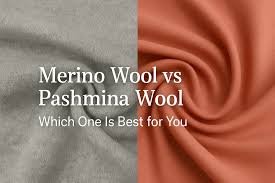
So, Pashmina or Merino: which is warmer? Which is softer? And which one actually makes more sense for an Indian buyer?
Here is the detailed Pashmina vs Merino wool comparison.
Pashmina vs Merino Wool: Quick Answer
Pashmina is generally the better choice if you want exceptional softness, lightweight warmth, elegant drape and a luxury shawl that can become an heirloom. Merino wool is generally better if you want durable, practical winter wear that can be used frequently and is available in many different weights and styles.
When comparing warmth, however, there is an important catch: you cannot judge warmth from fibre name alone.
A thick Merino shawl can easily be warmer than an extremely thin Pashmina stole. But when comparing fine, lightweight fabrics, high-quality Pashmina is prized for providing impressive warmth without feeling bulky.
Pashmina vs Merino Wool Comparison Table
| Factor | Pashmina | Merino Wool |
|---|---|---|
| Fibre source | Fine undercoat of Pashmina/Changthangi-type goats | Merino sheep |
| Typical use | Luxury shawls, stoles and scarves | Shawls, sweaters, clothing and base layers |
| Feel | Exceptionally fine, soft and lightweight | Soft, smooth and usually more substantial |
| Warmth-to-weight | Excellent | Excellent, depending on fabric weight |
| Durability | Delicate | Generally more robust |
| Pilling | Possible, especially with friction | Possible; depends on fibre and construction |
| Maintenance | Requires careful handling | Often easier to maintain |
| Everyday use | Better for careful or occasional use | Excellent |
| Travel | Excellent luxury travel wrap | Excellent for active travel and layering |
| Price | Premium to luxury | Wider price range |
| Best buyer | Luxury and heirloom buyer | Practical everyday buyer |
The rest of this Pashmina vs Merino wool guide explains why these differences matter.
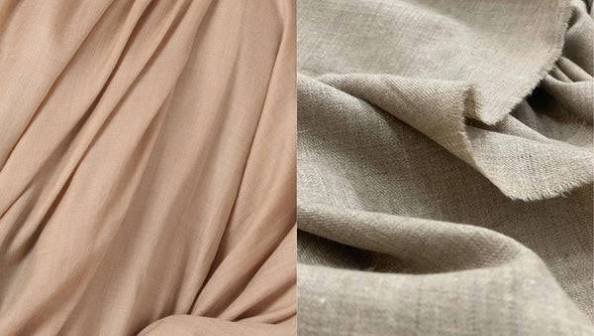
Where Do Pashmina and Merino Wool Come From?
The biggest difference in Pashmina vs Merino wool begins with the animal itself.
What Is Pashmina?
Pashmina is an exceptionally fine cashmere fibre traditionally associated with goats adapted to the harsh high-altitude climate of the Himalayan region.
In India, Ladakh is particularly important for the production of Pashmina fibre. Government information on Indian Pashmina describes fibres from the Changthangi goat as exceptionally fine, commonly around 12–15 microns. (Press Information Bureau)
There is also a more specific definition buyers should know.
Kashmir Pashmina is a registered Geographical Indication. Its specifications require 100% Pashm fibre with fineness up to 16 microns, along with hand-spun yarn and hand weaving by artisans of Jammu & Kashmir. (iictsrinagarcarpet-gi.org)
This means that genuine Kashmir Pashmina is not simply another soft wool shawl.
What Is Merino Wool?
Merino comes from Merino sheep.
It is considerably finer than ordinary coarse wool and is one of the most important premium apparel wools in the world.
According to Woolmark, Merino fibres used in clothing generally fall below about 22 microns, with very fine Merino reaching below 17.5 microns. Fibre diameter plays an important role in how soft wool feels against the skin. (Woolmark)
So while people sometimes frame Pashmina vs Merino wool as “fine fibre versus ordinary wool”, that is misleading.
Good Merino itself is a fine luxury wool.
Pashmina vs Wool: Which One Feels Softer?
For most buyers, softness is where Pashmina earns its reputation.
A high-quality Pashmina shawl has an unusually light, supple feel. It drapes rather than sitting heavily on the shoulders, which is one reason it works so beautifully with sarees, suits, evening clothes and formal Indian wear.
Merino is also very soft compared with conventional sheep wool.
In fact, fine Merino fibres bend easily against the skin rather than producing the stiff “prickle” associated with coarse wool. Woolmark notes that fibre diameter, rather than simply whether something is called wool, plays a major role in perceived itchiness. (Woolmark)
So in the Pashmina vs Merino wool softness contest:
Pashmina usually wins for feather-light luxury and drape.
Fine Merino wins for combining softness with durability and practicality.
The difference becomes less obvious when very fine Merino is compared with an average-quality Pashmina product.
That is why fibre quality matters more than marketing labels.
Pashmina or Merino: Which Is Warmer?
This is probably the most searched question in the Pashmina vs Merino wool debate.
The simple answer is:
Pashmina offers exceptional warmth for its low weight, while Merino can provide equal or greater total warmth when used in a thicker garment.
In other words, there is no scientifically useful rule saying that every Pashmina shawl will be warmer than every Merino shawl.
Warmth depends on several things:
- fibre fineness
- amount of fibre used
- thickness of the fabric
- weave or knit
- trapped air
- wind penetration
- garment construction
- whether you are layering it
This explains why a thin Pashmina stole can feel wonderfully warm during a Delhi winter evening but will not replace a heavy Merino sweater and insulated jacket during a snowy European winter.
The real advantage of Pashmina is warmth without bulk.
For buyers comparing a Merino shawl vs Pashmina, ask about the weight and construction of the actual shawls rather than deciding solely from the fibre name.
Pashmina vs Merino Wool for Sensitive Skin
People who dislike ordinary wool often assume that every wool product will feel itchy.
That is not necessarily true.
The prickly sensation associated with wool is strongly influenced by fibre diameter. Finer and more flexible fibres bend when they touch the skin, whereas thicker fibres are more likely to produce irritation or a prickling sensation. (Woolmark)
Because genuine Pashmina is extremely fine, it normally feels very gentle against the neck and shoulders.
Fine Merino can also be suitable for next-to-skin garments. This is precisely why Merino is widely used for premium base layers and fine knitwear.
For someone with sensitive skin choosing Pashmina vs Merino wool, therefore, the answer is not automatically Pashmina.
Look for:
Pure Pashmina: particularly attractive if softness is your main priority.
Superfine Merino: very comfortable for regular next-to-skin clothing.
Coarser Merino: may feel less smooth than very fine grades.
And remember that dyes, finishes, blends and garment construction can also affect how a shawl feels.
Durability and Pilling: Which Fibre Lasts Longer?
This is one area where Merino usually has the practical advantage in the Pashmina vs Merino wool comparison.
Pashmina’s fineness is part of what makes it luxurious, but it also means the fabric deserves careful treatment.
Frequent rubbing from handbags, rough jewellery, coat fasteners or constant everyday use can eventually affect a delicate shawl.
Merino fibres have natural elasticity, and Merino garments are commonly designed for much more demanding applications, ranging from daily knitwear to travel clothing and performance base layers. (Woolmark)
Does Pashmina Pill?
It can.
So can Merino.
Pilling happens when loose fibre ends work their way to a fabric’s surface and tangle together through friction.
The amount of pilling depends not only on whether you are comparing Pashmina vs Merino wool, but also on yarn quality, fibre length, spinning, weaving, finishing and how the product is used.
A few pills therefore do not automatically prove that a Pashmina shawl is fake.
Pashmina vs Merino Wool: Maintenance and Washing
A luxury shawl is not much use if you are permanently frightened of touching it.
So maintenance deserves serious consideration.
Caring for Pashmina
Treat genuine Pashmina as a delicate textile.
For GI-certified Kashmir Pashmina, official care guidance commonly recommends dry cleaning as the preferred option, with careful cold-water hand washing also possible for suitable pieces. Machine washing, excessive squeezing and harsh handling should be avoided. (cdiptqccgi.com)
Always follow the instructions supplied with your individual shawl.
Caring for Merino
Merino is generally more practical.
Depending on its construction and care label, many modern Merino garments can be machine washed using an appropriate wool cycle. Woolmark recommends mild detergent and following the garment’s individual care instructions. (Woolmark)
So if you expect to wear something every week, pack it constantly and wash it frequently, Merino has an obvious advantage.
For occasional luxury use, Pashmina’s extra care requirement is rarely a problem.
Pashmina vs Merino Wool: Which Is Better for Indian Winters?
This is where a generic international comparison becomes less useful.
India does not have one winter.
What works in Bengaluru is very different from what you need in Shimla.
Delhi, Chandigarh and North Indian Plains
For cool winter days and cold evenings, both fibres work well.
Choose Pashmina when you want a shawl that looks elegant over sarees, suits, kurtas or formal clothes without adding bulk.
Choose Merino for office commuting, long outdoor days and frequent everyday wear.
Bengaluru, Hyderabad and Pune
In comparatively mild winter weather, a lightweight Pashmina shawl can be extremely useful because it provides warmth without feeling like heavy winter clothing.
A light Merino stole also works well if practicality is more important than luxury.
Kashmir, Himachal Pradesh and Uttarakhand
For properly cold weather, do not reduce the decision to Pashmina vs Merino wool.
Layering matters more.
Merino sweaters and base layers can form part of a practical winter clothing system, while a Pashmina shawl provides an additional warm and elegant layer.
Mumbai, Chennai and Other Warmer Cities
Neither fibre is essential for everyday winter weather, but a good shawl can still be useful in air-conditioned offices, flights, weddings and travel.
Here, Pashmina’s low weight gives it a particular advantage.
Merino Shawl vs Pashmina for International Travel
There are actually two winners here.
For active travel, Merino is difficult to beat.
Merino wool naturally manages moisture and odour and is widely used in travel and performance clothing for that reason. (Woolmark)
A Merino sweater or base layer therefore makes sense when you will be walking all day, repeatedly wearing the same clothes or moving between different temperatures.
Pashmina wins in a different way.
A large Pashmina shawl takes up relatively little luggage space, works beautifully on long flights and can be used as an evening wrap once you arrive.
For international travel, the best answer to Pashmina vs Merino wool may therefore be:
Wear Merino. Carry Pashmina.
And if you are travelling somewhere genuinely cold, remember that neither a shawl nor a base layer substitutes for proper weather-resistant outerwear.
Raffal vs Pashmina: Do Not Confuse Them
Indian buyers, and especially people shopping in Kashmir, may come across another term: raffal.
This deserves its own explanation because raffal vs Pashmina is frequently misunderstood.
A raffal shawl is traditionally a Kashmir-style shawl made using Merino wool rather than Pashmina fibre.
Australian Wool Innovation, for example, describes raffal as a type of Kashmir shawl made from Merino wool. (wool.com)
So:
Pashmina = fine goat-derived Pashmina/cashmere fibre
Merino = fine sheep wool
Raffal = a shawl made from Merino wool in the Kashmir shawl tradition
This is why a raffal can be soft, warm, beautiful and genuinely Kashmiri-made without being Pashmina.
The raffal vs Pashmina distinction is primarily about fibre.
A buyer wanting an affordable everyday Kashmir shawl may actually be very happy with raffal. A buyer specifically paying a premium for genuine Pashmina should expect Pashmina fibre.
Can Merino Wool Be Sold as Pashmina?
Merino and Pashmina are different fibres, so a Merino product should not be represented as pure Pashmina.
This becomes particularly important with products sold specifically as Kashmir Pashmina.
The registered Kashmir Pashmina specification requires 100% Pashm fibre up to 16 microns as well as specified hand-production processes. (iictsrinagarcarpet-gi.org)
India also has the Government-supported Pashmina Mark, which certifies pure Pashmina products meeting defined fibre-quality requirements. (pashminamark.org.in)
So do not assume that a product is genuine merely because a shopkeeper calls it “Pashmina style”, “Pashmina touch”, “soft Pashmina” or “Kashmir shawl”.
Ask about fibre composition.
That one question can prevent a great deal of confusion.
Pashmina vs Merino Wool: Which Offers Better Value?
Better value does not necessarily mean cheaper.
It means buying the right fibre for the way you will actually use it.
Choose Pashmina If You Want:
- an exceptionally lightweight luxury shawl
- softness and elegant drape
- something to wear with sarees or formal Indian clothing
- a premium wedding or anniversary gift
- an heirloom-quality textile
- traditional Kashmir craftsmanship
- warmth without the feel of a bulky woollen shawl
Choose Merino If You Want:
- regular everyday use
- greater durability
- sweaters and other garments as well as shawls
- winter travel clothing
- easier maintenance
- a wider choice of weights and price points
- practical layering for cold weather
So when comparing Pashmina vs Merino wool, Pashmina usually offers greater luxury value while Merino frequently offers greater practical value.
Neither is automatically the “better” fibre.
Pashmina vs Merino Wool: Final Verdict
After comparing softness, warmth, durability, maintenance and price, the answer becomes fairly straightforward.
If your priority is luxury, lightness, exceptional softness, graceful drape and heirloom appeal, choose genuine Pashmina.
If your priority is durability, everyday practicality, easy layering and versatile winter clothing, choose good-quality Merino wool.
And if you are trying to decide Pashmina or Merino which is warmer, remember the most useful rule:
Pashmina is exceptional for warmth relative to its light weight, but the warmer finished product will ultimately depend on how much fibre it contains and how the garment is constructed.
A thick Merino shawl can be warmer than a thin Pashmina stole.
That is why the smartest Pashmina vs Merino wool comparison looks at the actual shawl, not just the label.
Frequently Asked Questions About Pashmina vs Merino Wool
Is Pashmina warmer than Merino wool?
Pashmina is famous for providing impressive warmth while remaining extremely light. However, a thicker Merino garment can provide more total insulation than a thin Pashmina shawl. In a Pashmina vs Merino wool comparison, consider fabric weight and construction as well as fibre type.
Which fibre is less itchy?
Genuine fine Pashmina normally feels exceptionally soft against the skin. Fine and superfine Merino can also be extremely comfortable. Fibre diameter is one of the main reasons some wool fabrics feel prickly, so quality matters greatly.
Is Merino wool the same as Kashmir raffal?
Raffal is generally a Kashmir-style shawl made using Merino wool. It is therefore quite different from genuine Pashmina, although both can be produced as Kashmir shawls.
Which is better for daily use?
For most people, Merino wins for daily use because it tends to be more robust and easier to maintain. Pashmina is better when lightness, luxury and fine drape are more important.
Why is Pashmina more expensive?
Pure Pashmina uses an exceptionally fine and specialised fibre. Traditional Kashmir Pashmina additionally involves hand spinning and hand weaving, making production highly skilled and labour intensive. Fibre quality, workmanship, embroidery and authenticity can all affect the final price.
Can Merino wool be sold as Pashmina?
Merino and Pashmina are different fibres. A Merino shawl should therefore not be presented as pure Pashmina. In particular, products using the registered Kashmir Pashmina designation must conform to its defined fibre and production specifications.
See Also
- Pashmina Shawl vs Wool Shawl: Which One Should You Actually Buy?
- Difference Between Merino Wool and Pashmina
- How to Identify Pure Pashmina Shawl at Home: The Complete 6-Step Checklist
- Original Pashmina Shawl Price in India Standard Rate: Your Price Guide 2026
- The Journey of Raw Pashm: How Is Kashmiri Pashmina Made Step by Step?
- How to Wash Pashmina Shawl at Home Safely: The Ultimate Guide