
Have you noticed tiny balls of fibre forming on your favourite Pashmina shawl? Before you worry that your shawl is damaged or not genuine, take a breath. Pilling is a common issue with many natural-fibre fabrics, including fine wool and cashmere.
The good news is that you can often deal with light pilling at home. The trick is knowing how to remove pilling from a Pashmina shawl without damaging its delicate fibres, loosening the weave, or ruining its finish. So, let’s discuss how to remove pilling from Pashmina shawl
Unlike ordinary winter scarves, a fine Pashmina shawl may be lightweight, delicately woven, or embellished with intricate Kashmiri embroidery. This means that rough brushing, aggressive fabric shavers, and careless handling can do more harm than good.
In this guide, we will explain why Pashmina pills, how to remove those little fibre balls safely, what to avoid, and how to keep your shawl looking beautiful for years.
What Causes Pilling on a Pashmina Shawl?
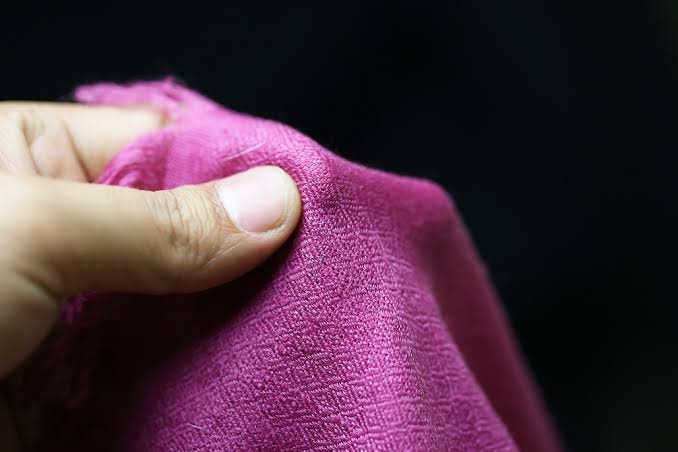
Pilling occurs when loose fibres on a fabric’s surface become tangled through friction and form small balls, commonly called pills. These may appear as tiny knots or fuzzy patches, especially in areas that experience repeated rubbing.
Pilling can occur in natural fibres such as wool and cashmere. It does not automatically mean that the fabric is poor quality or that your shawl is fake.
1. Friction from Everyday Use
Think about how you wear your favourite shawl during winter. It may rub against your handbag strap, coat, jewellery, or the back of a chair. Over time, this repeated friction can cause loose fibres to tangle.
Common areas where pilling appears include:
- Around the shoulders, where a bag strap repeatedly rubs against the fabric.
- Near the neckline, especially when the shawl is wrapped tightly.
- Along the edges, where the fabric experiences frequent handling.
- Across the surface, where the shawl rubs against coats or other garments.
If you notice small pills in these areas, friction may be the main reason.
2. Loose Fibres in Fine Natural Wool
Fine natural fibres can release small amounts of loose fibre during use. When these fibres become entangled with fibres still attached to the fabric, they can form pills.
The exact amount of pilling depends on several factors, including fibre characteristics, yarn construction, weave, finishing, and how the shawl is worn.
A soft, lightweight shawl may need more careful handling than a heavier, tightly constructed winter wrap. However, softness alone does not determine whether a shawl will pill.
3. Incorrect Washing and Storage
Rough washing, vigorous rubbing, twisting, and friction during drying can encourage pilling. Storing a shawl where it gets repeatedly compressed or rubbed against rough surfaces may also affect its appearance.
This is why proper Pashmina care matters. Gentle handling, appropriate cleaning, and careful storage can help reduce unnecessary wear.
Pilling vs Fibre Damage: How Can You Tell the Difference?
Small pills sit on the fabric’s surface and often appear as tiny, tangled balls. Fibre damage may look quite different.
| What you notice | What it may indicate |
|---|---|
| Small, soft balls on the surface | Ordinary pilling |
| Light fuzz without holes or thinning | Surface fibres or light abrasion |
| Loose threads or pulled loops | Possible damage to the weave |
| Thin patches or visible holes | Fabric damage that needs attention |
| Fraying embroidery or unravelled edges | Possible damage to stitching or construction |
These signs are only a guide, not a definitive diagnosis. If you notice thinning, pulled threads, or loose embroidery, avoid trying to remove the pills until you have assessed the damage.
How to Remove Pilling from a Pashmina Shawl Safely
The safest approach is to start with the least aggressive method and stop if the fabric catches, stretches, or begins to shed fibres.
Before you begin, remember that a delicate Pashmina shawl does not need to look perfectly smooth at every moment. Removing every tiny fibre ball is not worth damaging the original weave.
Step 1: Lay Your Shawl Flat and Inspect It
Place the shawl on a clean, dry, smooth surface. Use good lighting so that you can see where the pills are concentrated.
Look closely at the fabric before touching it. Are the pills loose and sitting on the surface, or are they tightly attached to the yarn? Are they concentrated in one area or spread across the shawl?
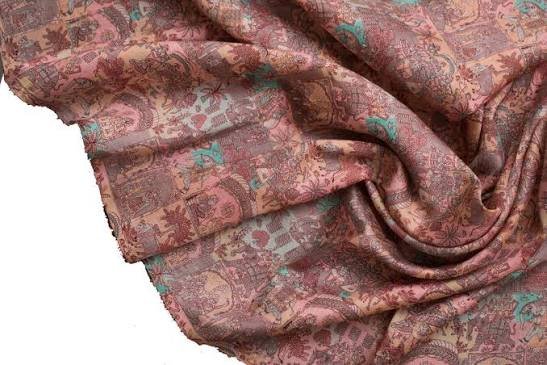
If the shawl has Sozni embroidery, Kani weaving, decorative borders, or delicate fringes, pay particular attention to these areas. Raised embroidery and loose threads can catch easily on de-pilling tools.
Important: If the shawl is antique, particularly valuable, heavily embroidered, or already damaged, consult a textile-care specialist before attempting to remove pills yourself.
Step 2: Test Your Method on a Discreet Area
Never start by treating the most visible part of your shawl.
Choose a small, inconspicuous area and test your proposed method gently. Check whether the fibres catch, stretch, pull out, or develop a rough texture.
If the fabric changes noticeably, stop. A method that works on a sturdy wool sweater may not be suitable for a fine Pashmina shawl.
Step 3: Remove Loose Pills Carefully
For a few isolated pills, the safest option may be to remove only the clearly loose fibre balls by hand.
Hold the fabric steady without stretching it. Gently lift a loose pill away from the surface, but do not tug at fibres that remain attached to the weave.
If the pill resists, leave it alone. Pulling can draw out yarn and create a small loop or thin patch.
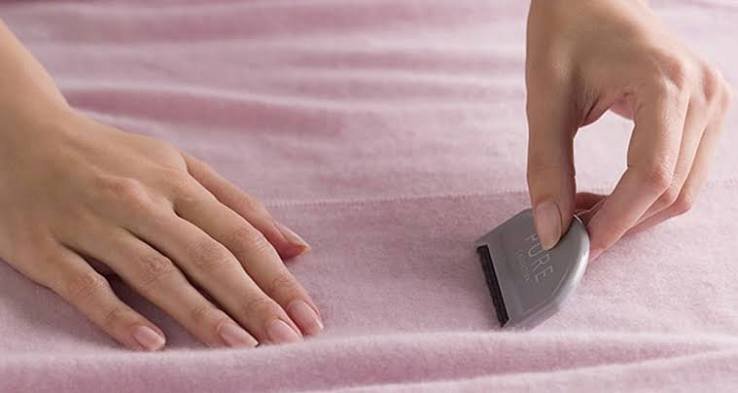
For more widespread pilling, a fine-fabric or cashmere comb may sometimes be appropriate on a plain, robustly constructed shawl. However, it should only be used after a discreet test and according to the tool’s instructions. Avoid embroidered areas, fringes, and delicate or loosely woven sections.
Use light, controlled movements. Do not press the tool into the fabric or repeatedly scrape the same area.
Step 4: Inspect the Fabric Again
Once you have removed the obvious loose pills, examine the treated area under good lighting.
Check for pulled threads, rough patches, thinning, or changes in texture. If the surface looks more damaged than before, stop rather than trying to make it perfectly smooth.
You do not need to remove every small pill. Preserving the integrity of the fabric is more important than achieving a flawless appearance.
Step 5: Store the Shawl Properly
After treatment, fold the shawl loosely and store it in a clean, dry place. Avoid hanging a delicate shawl for long periods if its weight could stretch the fabric.
Keep it away from rough surfaces, sharp accessories, and objects that could snag the yarn.
If the shawl needs cleaning as well, follow the care instructions appropriate to its fibre composition and construction. De-pilling and washing are separate tasks; you do not need to wash the entire shawl simply because a few pills have appeared.
What Should You Never Use on Pashmina?
When removing pilling from a Pashmina shawl, the tool matters as much as the technique. An unsuitable tool can cut fibres, catch yarn, or damage delicate embroidery.
Here are some methods to avoid.
1. Avoid Aggressive Electric Fabric Shavers
Electric fabric shavers are designed to cut surface pills. On a delicate shawl, they can also cut fibres or catch raised sections of the weave if used incorrectly.
Do not assume that a device suitable for a thick woollen jumper is safe for your Pashmina.
If you are unsure about the fabric’s construction, skip the electric shaver and seek professional advice.
2. Never Use a Razor Blade
A razor blade may seem like a quick way to remove tiny fibre balls, but it offers little control over which fibres are cut.
One careless movement can damage the yarn, create a thin patch, or leave a visible mark. It is especially risky on lightweight, loosely woven, or embroidered shawls.
3. Avoid Rough Brushes and Excessive Scrubbing
A stiff brush or vigorous rubbing can increase friction and pull fibres from the weave. It may also roughen the surface instead of improving it.
Pashmina care is about gentle handling, not force. If a pill does not come away easily, do not keep scrubbing.
4. Do Not Pull Pills Aggressively
Pulling a pill may seem harmless, but the tangled fibres can still be connected to the yarn underneath. Tugging can loosen the weave or pull out a longer thread.
Remove only what comes away easily. If the pill is tightly attached, leave it for a specialist to assess.
Does Pilling Mean Your Pashmina Shawl Is Fake?
No. Pilling alone does not mean that your Pashmina shawl is fake.
Natural animal fibres, including cashmere, can pill when loose fibres become tangled through friction. The degree of pilling depends on fibre characteristics, yarn construction, finishing, and use.
However, pilling cannot establish authenticity either. A shawl that pills may be genuine, blended, or made from another fibre. Its surface appearance alone cannot tell you which.
If you want to verify your shawl, consider the following:
- Check the seller’s claims: Look for clear information about fibre composition, origin, and craftsmanship.
- Examine the product documentation: Where applicable, review GI-related claims and supporting documentation rather than relying on a label alone.
- Seek professional assessment: A qualified textile specialist may be able to assess construction and materials.
- Consider laboratory testing: If fibre composition is important, appropriate textile testing can provide stronger evidence than household tests.
Be cautious of online advice claiming that a single burn test, touch test, or visual clue can conclusively prove that a shawl is genuine Pashmina. Reliable authentication requires more than one surface characteristic.
For more information, explore our guides to Pashmina authenticity, GI-tag verification, and laboratory fibre identification.
How to Prevent Pilling on Your Pashmina Shawl
You cannot always prevent pilling completely, but a few simple habits can reduce friction and help your shawl retain its appearance.
1. Reduce Friction When Wearing Your Shawl
Pay attention to what your shawl rubs against during the day. Rough coat fabrics, bag straps, sharp jewellery, and backpack straps can create repeated friction.
When carrying a handbag, try to keep the strap from rubbing against the same area of the shawl throughout the day.
2. Handle the Fabric Gently
Avoid pulling, twisting, or rubbing the shawl unnecessarily. When putting it on or taking it off, handle it gently rather than tugging at the edges.
If your shawl has delicate embroidery or fringes, avoid catching them on rings, bracelets, zips, or other accessories.
3. Follow Appropriate Washing Instructions
Do not wash a Pashmina shawl simply because it has developed a few pills.
When cleaning is necessary, check the care label and the recommendations for the specific fabric. Some shawls may require professional cleaning, particularly if they contain intricate embroidery, dyes that may bleed, or mixed materials.
Avoid vigorous agitation, rough rubbing, and wringing. These actions can increase friction and stress the fibres.
4. Store Your Shawl Correctly
Fold your shawl neatly and store it in a clean, dry place. Avoid overcrowding it among rough garments or storing it beside objects that may snag the surface.
For long-term storage, protect the shawl from dust, moisture, and pests while allowing the fabric to remain in a suitable storage environment. Check it periodically rather than leaving it undisturbed for years.
5. Avoid Overusing De-Pilling Tools
Repeatedly treating the same area can remove or weaken fibres, even when the tool is relatively gentle.
Only remove noticeable, loose pills when necessary. A little surface texture is normal for many natural-fibre textiles and does not need to be eliminated.
When Should You Consult a Textile-Care Specialist?
Home treatment is best reserved for light pilling on a shawl whose construction you understand. Some situations call for professional help.
Consult a textile-care specialist if:
- Your shawl is an antique, heirloom, or particularly valuable piece.
- It features intricate Sozni embroidery, Kani weaving, or delicate decorative details.
- The fabric is thinning, developing holes, or showing loose threads.
- The pills are tightly attached and do not come away easily.
- You notice colour changes, damage from previous cleaning, or extensive fibre shedding.
- You are uncertain about the fibre composition or the correct care method.
A specialist can assess the textile’s construction and condition before recommending an appropriate treatment. This is particularly important when preserving a shawl’s long-term value matters more than making it look smooth immediately.
Frequently Asked Questions
Is pilling normal on cashmere and Pashmina?
Yes. Pilling can occur in cashmere and other fine natural fibres when loose fibres tangle through friction. Its extent varies with fibre characteristics, yarn construction, finishing, and use. Pilling alone does not prove that a shawl is genuine or fake.
Can you use a fabric shaver on Pashmina?
A fabric shaver can cut fibres and may damage a delicate Pashmina shawl, particularly if the weave is lightweight or the surface has embroidery. Avoid aggressive electric shavers. If you are considering a fine-fabric de-pilling tool, test it on a discreet area first and stop if the fibres catch or pull.
Why is my Pashmina shawl becoming fuzzy?
Fuzziness may develop as surface fibres loosen through friction and wear. Repeated rubbing against bags, coats, jewellery, and other garments can contribute to the problem. Incorrect washing and rough handling may also affect the surface. If the fuzziness appears alongside thinning or loose threads, have the shawl assessed.
Can pilling damage a Pashmina shawl permanently?
Pilling itself does not necessarily mean permanent damage. However, aggressive removal can cut fibres, loosen yarn, or create thin patches. Gentle treatment and early attention to signs of structural damage can help preserve the shawl.
Should I wash my Pashmina shawl to remove pilling?
No. Washing is not a pilling-removal method. Cleaning may be necessary for dirt or odours, but it should be done according to the fabric’s care requirements. Rough washing can increase friction and potentially make pilling worse.
Final Thoughts
Pilling can be frustrating, especially when you want to preserve a beautiful Pashmina shawl for years. But those tiny fibre balls are not necessarily a sign that something is wrong with your shawl.
The safest approach is simple: inspect the fabric, start gently, avoid aggressive tools, and stop if you notice any damage. For delicate, embroidered, antique, or valuable pieces, professional care is worth considering.
With the right handling and storage habits, you can enjoy your Pashmina without putting its delicate fibres at unnecessary risk.
Remember: A well-cared-for Pashmina does not have to look perfectly smooth all the time. Preserving its weave, texture, and craftsmanship is what matters most.
See Also
- Pashmina Shawl Care Guide: How to Wash, Store & Maintain Your Investment
- Cashmere & Pashmina Shawl Care: Washing, De-Pilling and Off-Season Storage
- How to Wash Pashmina Shawl at Home Safely: The Ultimate Guide
- How to Repair a Pashmina Shawl: Holes, Snags, Fringes and Traditional Rafu
- Can You Iron a Pashmina Shawl? Safe Ways to Remove Creases