
Picture this: You are dressing up for a family wedding, a winter festival, or a special dinner party. You pull out your favorite, prized Pashmina shawl from the wardrobe, only to find stubborn fold lines and unsightly creases crisscrossing its delicate weave.
Your immediate instinct might be to grab the heavy household iron and press those lines flat. But then panic sets in—Will direct heat singe the fine cashmere wool? Will the iron crush the hand embroidery or ruin the buttery texture forever?
If you are asking yourself, “Can you iron a pashmina shawl safely at home?”, the short answer is yes—but with strict conditions! Pure Changthangi Pashmina fiber is extraordinarily fine, measuring a delicate 12 to 15 microns. One careless swipe of a hot iron can scorch the fibers, leave shiny patches, or cause permanent heat damage.
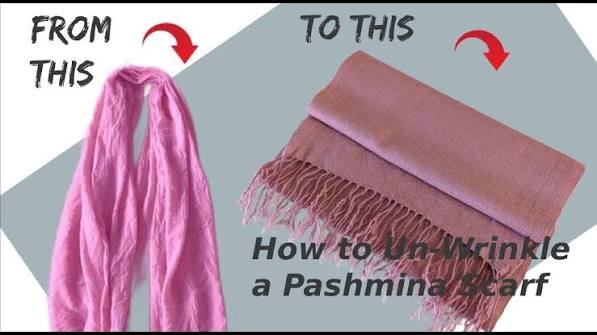
In this complete care guide, we will walk you through gentle, foolproof techniques to remove creases from a Pashmina shawl without losing its signature warmth, softness, or heirloom beauty.
1. Can You Iron a Pashmina Shawl? Quick Answer
A Pashmina shawl should not be ironed directly at a high temperature. First try hanging it in a humid room or using gentle steam from a safe distance. For stubborn creases, place a clean cotton cloth over the shawl and use the lowest wool-safe iron setting without pressing heavily.
How to Remove Creases from Pashmina Safely
1.Lay the shawl flat:Preparation.
Spread your Pashmina on a smooth, padded ironing board or a clean, flat surface like a table covered with a bath towel.
2.Smooth it gently by hand:Manual relaxing.
Use your clean, dry palms to gently stroke and smooth out light wrinkles across the weave without stretching the edges.
3.Allow light humidity to relax the fibres:Passive steam.
Hang the shawl on a padded coat hanger inside a steamed bathroom for 15–20 minutes to naturally release light packaging folds.
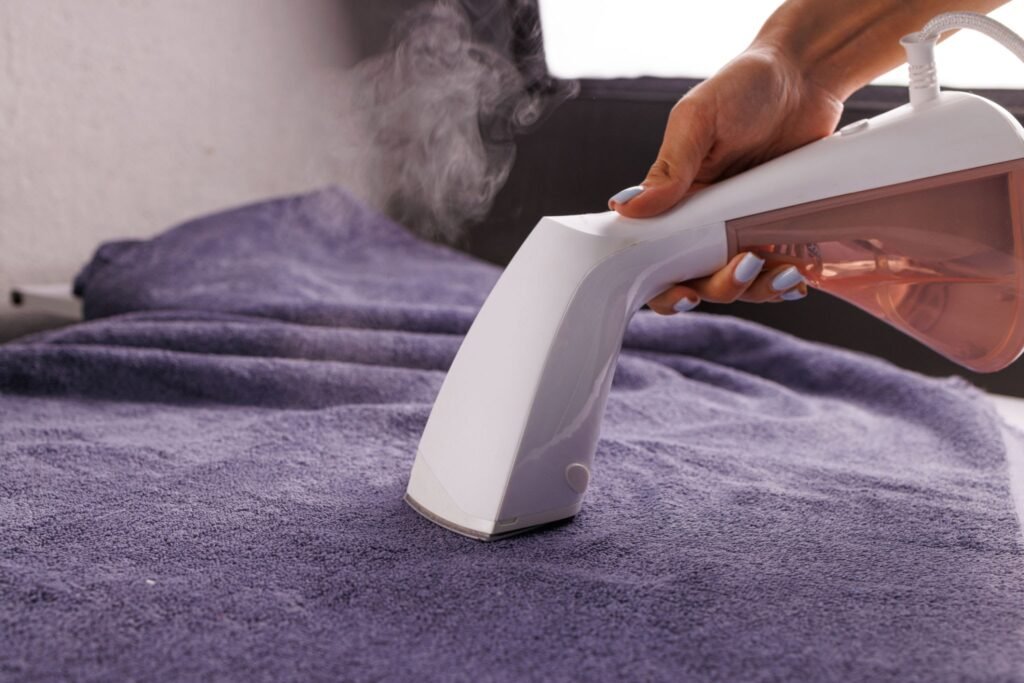
4.Steam from a safe distance when necessary:Active steaming.
Hold a garment steamer or steam iron 2 to 3 inches away from the fabric, letting moisture gently penetrate the cashmere fibers.
5.Use a pressing cloth for stubborn creases:Direct pressing.
Cover the wrinkled area with a thin, un-dyed cotton cloth (like a muslin cloth or handkerchief) and lightly press on the lowest wool setting.
6.Let the shawl cool flat before folding:Setting the finish.
Allow the Pashmina to cool down completely for 10–15 minutes so the fibers set smoothly before you wear or fold it away.
2. Why Direct Heat Can Damage Fine Pashmina Fibres
To understand why high heat is the ultimate enemy of fine wool, we have to look closely at the natural cashmere fiber. Authentic Pashmina is harvested from the underbelly coat of the Capra Hircus goat native to the high altitudes of Ladakh.
Unlike synthetic fibers like acrylic or polyester (which melt under heat) or sturdy cotton (which tolerates hot steam), pure wool is built from natural keratin proteins.
When you press a hot iron plate directly onto raw cashmere:
- Thermal Shock: The extreme dry heat dries out the natural moisture trapped inside the hollow hair shaft.
- Fiber Scorching: High temperature literally cooks the protein fibers, causing them to turn brittle, snap, or yellow.
- Shiny Patches: Heavy mechanical pressure flattens the soft, microscopic scales on the surface of the yarn, leaving behind a harsh, permanent metallic shine.
- Loss of Loft: The fluffy, cozy feel that makes Pashmina legendary is crushed, leaving the shawl thin and stiff.
This is why learning how to iron pashmina using protective layers or low-temperature steaming is vital to preserving your investment pieces for generations.
3. The Safest Way to Remove Light Creases: Passive Steam
Before you even plug in an electric iron, try the gentlest method possible: ambient humidity. Pure animal fibers possess natural elasticity and memory. Given a little moisture and time, the tiny fibers relax and naturally spring back into shape.
The Bathroom Humidity Hack
- Hang your Pashmina on a wide, padded coat hanger (avoid thin wire hangers that leave shoulder bumps).
- Hang the shawl on the back of the door inside your bathroom while you take a warm shower.
- Ensure the shawl is kept well away from direct water splashes or wet towels.
- Let it absorb the indirect steam for 15 to 20 minutes.
- Take it out and let it air-dry flat in a well-ventilated room.
For light travel wrinkles or seasonal fold marks, this zero-contact method works like magic!
4. How to Steam a Pashmina Without Wetting It
If ambient steam doesn’t completely release deep wrinkles, using a handheld garment steamer or a steam iron’s vertical steam function is your next best option.
Step-by-Step Steaming Technique
- Maintain Safe Clearance: Never press the steamer nozzle directly against the fabric. Hold it at least 2 to 3 inches away from the surface.
- Keep It Moving: Sweep the steamer in continuous, fluid top-to-bottom strokes. Never hover over one spot for more than a second or two.
- Avoid Water Drops: Ensure your steamer isn’t “spitting” or leaking water droplets. Mineral spots from hard water can leave temporary watermarks on delicate pastel dyes. Use distilled water inside your steamer tank.
- Smooth from Behind: For best results, hang the shawl and direct the steam towards the reverse side (underside) of the fabric.
Caution: Never wear the Pashmina while steaming it! Hot steam passes right through thin weave structures and can cause severe skin burns.
5. How to Use an Iron with a Protective Cotton Cloth
When dealing with deep-set crease marks that won’t budge with steam alone, you can use a traditional dry iron, provided you insert a protective barrier between the hot metal plate and the delicate cashmere.
What Is a Pressing Cloth?
A pressing cloth acts as a heat diffuser. It allows heat to transfer through to relax the wool fibers while blocking direct contact with the iron’s soleplate. A clean, white cotton handkerchief, a piece of unbleached muslin, or a soft cotton pillowcase works perfectly.
Safe Pressing Guide
- Set Up the Surface: Lay your shawl perfectly flat on an ironing board. Smooth out any bunched-up fabric underneath so you don’t accidentally press new wrinkles into the back layer.
- Lay the Barrier: Place your dry cotton pressing cloth directly over the wrinkled area.
- Dial the Temperature: Set your iron dial strictly to the “Silk” or “Wool” setting (ideally around 110°C to 120°C).
- Use Light Motion: Gently lower the iron onto the cotton cloth for 2 to 3 seconds. Do not drag or push the iron aggressively across the fabric. Use a gentle “press and lift” motion.
- Check Progress: Lift the pressing cloth to inspect the crease. If needed, repeat once more.
6. Recommended Heat and Pressure Precautions
When adjusting your iron controls, keep these critical safety thresholds in mind:
| Ironing Parameter | Safe Setting for Pure Pashmina | Danger Zone (Will Cause Damage) |
| Temperature Setting | Wool / Silk Mode (Low Heat, ~110°C) | Cotton / Linen Mode (High Heat, >150°C) |
| Direct Contact | Never (Always use a pressing cloth) | Direct soleplate on raw wool |
| Pressure Applied | Ultra-light pressing (weight of iron only) | Heavy downward force / dragging |
| Steam Mode | Indirect vertical steam / light burst | Soaking wet steam blast up close |
| Fabric Side | Always iron from the reverse (back side) | Ironing directly on the front weave |
7. Can You Use a Garment Steamer on Embroidered Pashmina?
India’s rich textile heritage features stunning hand-embroidered wraps like Sozni (fine needlework) and Aari (hook embroidery). Caring for these intricate art pieces requires extra caution.
Steaming Embroidered Works
- Yes, you can steam embroidered Pashmina, but you must work strictly from the reverse side.
- Direct steam or heat applied to the front side can flatten elevated silk or wool embroidery threads, destroying their gorgeous three-dimensional texture.
- Place a Soft Towel Beneath: When pressing embroidered shawls, place a plush, fluffy bath towel face-up under the shawl. Lay the embroidered side face-down onto the towel, cover the back with a pressing cloth, and press gently. The soft towel pile prevents the raised embroidery stitches from getting crushed flat!
8. How to Remove Creases from Kani and Sozni Shawls
Heirloom masterpieces like Kani shawls (woven using tiny wooden spools called Kanis) and Sozni needle-work shawls represent months—sometimes years—of artisan labor. Extra care is essential when removing fold lines from these investments.
Specialized Care for Heritage Pieces
- Avoid Water Spraying: Never spray water directly onto a Kani shawl. Natural vegetable dyes or fine silk warp threads can bleed if dampness is unevenly distributed.
- Reverse Pressing Only: Turn the shawl inside out. The intricate back-loops of Kani weaving are delicate; always cover them with a smooth cotton pressing sheet before applying light warmth.
- Never Rub or Drag: Pushing an iron across dense Kani motifs can snag the delicate weave threads. Always use a strict lift-and-press movement.
9. Care Mistakes You Should Never Make
To keep your winter wardrobe in pristine condition, avoid these common care blunders:
- 🚫 Never iron wet Pashmina: Pressing a damp cashmere shawl cooks the wet wool fibers, leading to severe fiber shrinkage and structural warping.
- 🚫 Never use starch or fabric sprays: Chemical ironing sprays leave stiff residues on fine wool, attracting pests like clothes moths and carpet beetles during off-season storage.
- 🚫 Never leave the iron stationary: Even on a low setting, leaving an iron resting in one spot for over 5 seconds through a pressing cloth can cause thermal discoloration.
- 🚫 Never use high steam on dyed wool: Excessive steam combined with pressure can cause un-fixed dyes on artisanal hand-dyed shawls to bleed into white fringes or lighter weave sections.
10. How to Fold the Shawl to Prevent New Creases
The best way to deal with creases is to prevent them from forming in the first place! Storing your wraps properly eliminates the need for frequent ironing or steaming.
Smart Folding & Storage Rules
- Roll, Don’t Sharp-Fold: Instead of pressing sharp, hard creases into your shawl, gently roll your Pashmina around a cardboard tube wrapped in acid-free tissue paper.
- Use Tissue Layering: If you prefer folding, place sheets of acid-free tissue paper between the folds. This cushions the bend points, preventing deep fold lines from setting into the weave over time.
- Store in Breathable Bags: Never seal fine cashmere in airtight plastic bags for long periods—trapped moisture causes mildew and stubborn wrinkles. Store your shawls in soft, breathable cotton or muslin bags inside a cool, dry wardrobe.
Frequently Asked Questions (FAQs)
Can I use a steam iron on Pashmina?
Yes, but only if you use the vertical steam function from a safe distance of 2 to 3 inches without touching the metal plate directly to the fabric. If pressing on an ironing board, turn off continuous steam and use a dry pressing cloth.
What iron setting is safe for Pashmina?
Always set your iron dial strictly to the “Wool” or “Silk” setting (low heat, between 110°C and 120°C). Never use high-heat settings like “Cotton” or “Linen.”
Can heat shrink a Pashmina shawl?
Yes, excessive direct heat combined with moisture or agitation causes natural wool fibers to felting-shrink tightly. Always stick to low, indirect heat.
How do you remove fold lines from Pashmina?
The safest way is to hang the shawl in a steamy bathroom for 20 minutes, or lay it flat, cover it with a thin cotton cloth, and gently press the lines on a low wool setting.
Can embroidered Pashmina be ironed?
Yes, but always iron embroidered Pashmina from the reverse side with a plush towel placed underneath. This protects the delicate raised silk or wool threads from being crushed.
Should Pashmina be ironed from the reverse side?
Yes, absolutely! Ironing from the reverse side ensures that even if minor shine or heat marks occur, they remain hidden on the underside of your wrap.
Preserving the Elegance of Pure Pashmina
Your Pashmina shawl isn’t just a winter accessory—it is a timeless piece of Indian textile artistry. By taking a few extra minutes to remove creases gently with indirect steam or a protective pressing cloth, you preserve its ultra-soft handfeel and vibrant colors for years to come.
Looking to expand your winter collection with authentic, hand-woven Kashmiri wraps? Explore our certified collection of pure cashmere shawls, stoles, and embroidered heritage pieces at Pashmina Shawls India today!
See Also
Un-Wrinkle Your Pashmina Scarf & How to Iron Basics
How to Pashmina shawl ironing
How to Remove Stains from Pashmina Shawl: Emergency Rescue Guide for Oil, Curry, Tea & Makeup
How to Wash Pashmina Shawl at Home Safely: The Ultimate Guide