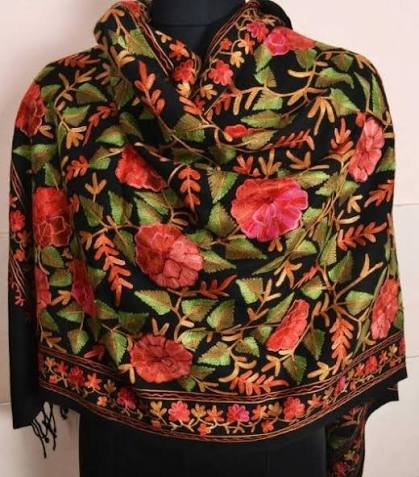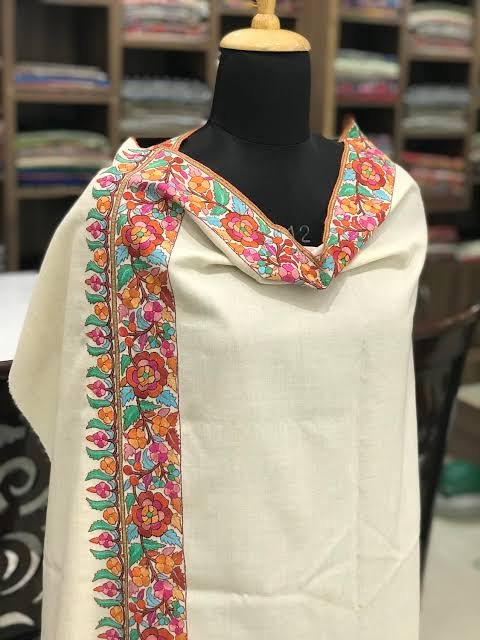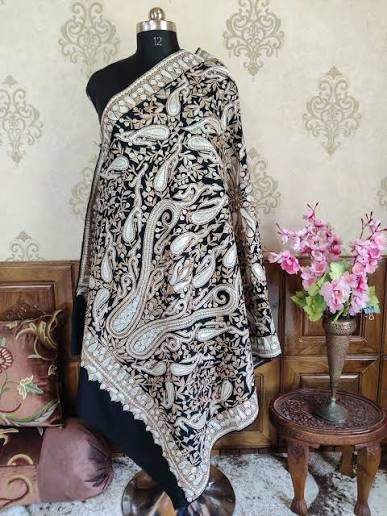

A tiny hole in a treasured Pashmina can be surprisingly upsetting, especially when the shawl was expensive, handmade or passed down through your family. The good news is that damage does not necessarily mean the end of the shawl.
If you are wondering how to repair a Pashmina shawl, the most important rule is actually quite simple: do as little as possible until you understand what has happened.
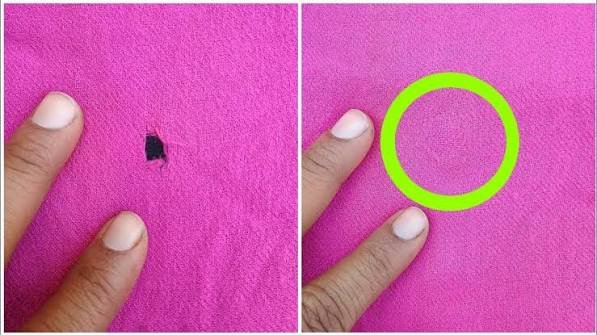
A pulled thread should not automatically be cut. A moth hole should not be closed with ordinary sewing thread. And a valuable Kani, Sozni or heirloom shawl should certainly not become your first experiment with a needle.
Small Pashmina snags can sometimes be gently eased back into the weave. Holes, tears and moth damage, however, are usually better entrusted to a skilled rafoogar or textile conservator. Traditional rafu or rafoogari uses extremely careful darning to reconstruct damaged areas so that the repair blends with the surrounding textile. Rafoogari has been practised in India for generations as a method of repairing fine textiles rather than simply covering their damage. (Architectural Digest India)
This guide explains how to repair a Pashmina shawl, when a home repair is reasonable and when the safest decision is to stop and call an expert.
Quick Pashmina Damage-Triage Table
Before attempting any Pashmina shawl repair, identify the type of damage.
| Damage | Cut the thread? | DIY treatment? | Professional repair? |
|---|---|---|---|
| Small snag | No | Possibly | If weave is distorted |
| Pulled thread | No | Gentle redistribution only | If long or complicated |
| Loose fringe | No | Minor securing only | For valuable pieces |
| Small moth hole | No | Not recommended | Yes |
| Long tear | No | No | Yes |
| Damaged Sozni embroidery | No | No | Specialist required |
| Kani weave damage | No | No | Specialist strongly recommended |
| Multiple holes or weak fabric | No | No | Textile conservator recommended |
Can a Damaged Pashmina Shawl Be Repaired?
Yes, in many cases it can.
The better question is not simply whether the shawl can be repaired, but what kind of repair is appropriate.
Pashmina is a fine textile, and damaged areas can become distorted if they are pulled, stitched too tightly or handled repeatedly. Textile-conservation guidance emphasises gentle handling and adequate physical support for weakened textiles because unnecessary handling can worsen existing damage. (Canada)
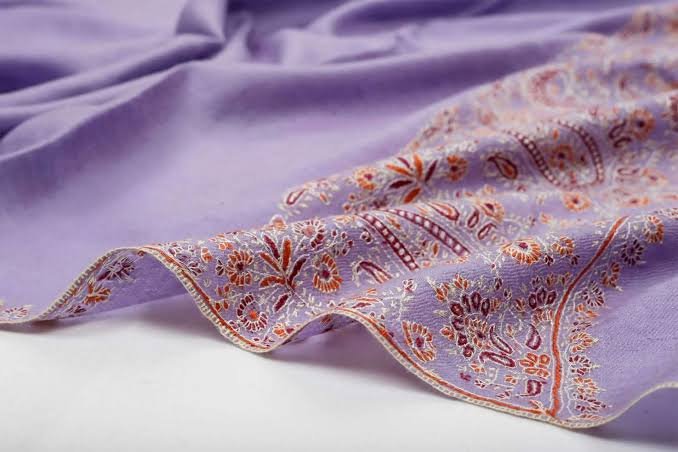
A small snag may only need the displaced yarn to be redistributed.
A genuine hole is different because fibres or yarns have actually been lost.
A tear means the structure has separated.
Moth damage can be particularly deceptive because the visible hole may not be the only weakened area.
So if you want to know how to repair a Pashmina shawl properly, start with diagnosis rather than a needle.
Identify the Damage: Snag, Hole, Tear or Loose Fringe
Lay the shawl flat on a clean, smooth surface in good natural light. Remove rings, bracelets or anything else that might catch on the fabric.
Then look closely at the damaged area.
A snag or pulled thread
A pulled thread in Pashmina usually means a yarn has been dragged away from its normal position but has not actually broken.
You may notice:
- a small loop above the surface;
- puckering around the snag;
- a line of tighter weave on either side;
- no actual missing fabric.
This is generally the least serious form of damage.
A hole
A hole means part of the woven structure is missing or broken.
If you can clearly see through the shawl and there are broken yarn ends around the opening, treat it as a hole rather than a snag.
A tear
A tear is usually longer and may run along or across the woven structure.
Do not pull the two sides together and stitch them like ordinary clothing. Tight household stitching can concentrate strain around an already fragile area.
A loose or damaged fringe
Pashmina fringes are part of the shawl’s finishing structure. One loose strand is very different from an entire edge that is beginning to unravel.
Avoid trimming uneven strands simply to make the fringe look neat.
What to Do Immediately After Finding Damage
When learning how to repair a Pashmina shawl, what you do not do can matter as much as what you do.
First, stop wearing the shawl until the damage has been assessed.
Lay it flat.
Do not stretch the damaged section to see how large the hole is.
Do not iron over it.
Do not tape it.
Do not apply fabric glue.
And please resist the temptation to make three quick stitches with whatever needle and polyester thread happens to be available at home.
Museum-conservation guidance recommends minimising the handling of damaged textiles and supporting them flat during handling and storage. It also recommends storing vulnerable flat textiles with as few hard folds as possible. (Canada)
For an heirloom Pashmina, taking photographs of the damage before sending it for repair is also sensible. Photograph the whole shawl, the damaged area and both sides of the textile.
How to Handle a Pulled Thread in Pashmina
A pulled thread is one of the few problems that may sometimes be managed at home.
The golden rule is:
Do not cut it.
Cutting a snag removes yarn that is still structurally part of the shawl. A cosmetic problem can then become an actual break in the weave.
Place the shawl completely flat.
Look at the puckered area around the loop. The goal is not to push the entire loop through to the reverse. Instead, very gently encourage the excess yarn to redistribute through the neighbouring weave.
You can sometimes do this by lightly massaging the fabric outward from the snag using clean fingertips. Work gradually in both directions along the line of the yarn.
Do not tug.
Do not use tweezers.
Do not pull the loop tighter.
And do not use a crochet hook unless you genuinely understand the construction of the textile.
If the loop remains but the surrounding fabric has returned to its normal shape, stop there. A tiny visible imperfection is preferable to structural damage caused by overworking it.
If you are uncertain how to repair a Pashmina shawl snag, a good repair specialist can often correct the distortion more safely.
Can You Repair a Small Moth Hole in Pashmina at Home?
Usually, this is where DIY repair should end.
Wool and other animal-derived fibres are vulnerable to clothes moths and carpet beetles. Importantly, the damage is caused by their larvae rather than the adult insects themselves. (Smithsonian Institution)
That means finding one hole should prompt you to inspect the rest of the shawl and nearby woollen garments as well.
If you need to repair a moth hole in a shawl, sewing the edges together is rarely the best option. It can create puckering and make the repaired spot much more visible.
Professional repair instead tries to recreate or stabilise the missing textile structure.
Before repair, isolate the shawl from the rest of your woollens and inspect the storage area. Conservation guidance recommends regular examination of wool textiles for clothes moths and carpet beetles and isolating potentially affected textiles so pests are not transferred elsewhere. (Canada)
If several holes appear, solve the pest problem before paying for restoration. Otherwise, your beautifully repaired shawl can simply be attacked again.
What Is Pashmina Rafu or Rafoogari?
This is where how to repair a Pashmina shawl becomes part of India’s textile heritage.
Rafu, rafu work, rafugari or rafoogari refers to the traditional art of darning and repairing woven cloth.
A skilled practitioner is often called a rafoogar.
Rather than placing a crude patch over a hole, the rafoogar studies the textile’s construction, colour, direction of yarn and surrounding pattern. Fine threads are then worked through the damaged area so the repair integrates visually and structurally with the original cloth.
Rafoogari has historically been used to extend the life of valuable textiles, including fine shawls. ICCROM-supported documentation projects in India have specifically recorded rafoo techniques, stitches and their application to different fabrics and weave structures. (ICCROM)
This is why good Pashmina rafu can look remarkably different from ordinary darning done at home.
The objective is not merely to close the hole.
It is to understand the cloth.
How Professional Invisible Pashmina Repair Works
The precise method depends on the shawl and the damage, but a specialist will generally begin by studying the weave under magnification.
They may examine:
- warp direction;
- weft direction;
- yarn thickness;
- colour variation;
- weave density;
- surrounding motifs;
- previous repairs;
- strength of the neighbouring fibres.
In basic woven cloth, warp and weft yarns intersect to form the structure of the textile. Conservation references likewise distinguish warp and weft as the fundamental perpendicular systems of woven fabric. (Canada)
For a small hole, the repairer may reconstruct the missing area by working replacement or carefully sourced matching threads through the existing structure.
The finer the matching, the less obvious the repair.
This is why how to repair a Pashmina shawl invisibly is much more complicated than choosing thread in approximately the same beige, black or red colour.
The repair must match the structure, not just the shade.
Repairing Plain, Sozni and Kani Pashmina Shawls
Not every Pashmina should be treated in the same way.
Plain woven Pashmina
A plain shawl is generally the most straightforward candidate for Pashmina shawl repair because the repairer primarily needs to reproduce the original weave, texture and colour.
Even here, fine Pashmina yarn makes careless stitching easy to spot.
Sozni embroidered Pashmina
Sozni introduces another layer of complexity.
Traditional Kashmiri Sozni uses detailed needle embroidery, often with fine woollen or silk threads, to create floral and other motifs on Pashmina and related textiles. (Handicrafts)
If a hole passes through a Sozni motif, the repairer must deal with both the underlying Pashmina and the embroidery.
Repairing the cloth but misaligning a leaf, paisley or border can leave the restoration immediately visible.
For this reason, damaged Sozni should ideally go to someone experienced in both fine textile repair and Kashmiri embroidery.
Kani Pashmina
Kani deserves even more caution.
In Kani weaving, patterns are produced as part of the woven structure using fine Pashmina yarn and small wooden spools called kanis. The Government of India’s handicrafts documentation describes Kani as an intricate weaving process involving multiple coloured wefts and detailed pattern instructions known as talim. (Handicrafts)
Consequently, a hole in a Kani shawl may interrupt both structure and design.
Traditional specialised rafu techniques can recreate pattern and colour across damaged areas, but this is highly skilled work. Sources documenting shawl restoration distinguish more sophisticated forms of rafu used for patterned Kani and Jamawar textiles. (aditishawls.com)
If the shawl is valuable, do not practise on it.
Repairing Loose or Damaged Pashmina Fringes
Fringe damage often looks less serious than a hole, but it can spread into the body of the shawl if the edge itself is becoming unstable.
If only one fringe strand is displaced, avoid trimming it automatically.
If several threads are loosening from the edge, lay the shawl flat and stop wearing it until it can be examined.
For an inexpensive everyday shawl, a competent handloom repairer may be able to secure the edge.
For a handmade, antique or heirloom piece, look for somebody experienced specifically in shawl finishing or Pashmina rafu.
And avoid the very tempting solution of cutting the entire fringe shorter just to make everything look even.
How Repairs Affect the Value of an Heirloom Pashmina
A repair does not automatically destroy the value of a shawl.
In many cases, a sensitive restoration is preferable to allowing deterioration to continue.
But there is an important difference between preservation and making something look new.
If you own an antique Kashmir shawl, historically important piece or valuable family heirloom, the objective should usually be to stabilise damage while retaining as much original material as possible.
Aggressive alterations, large replacement patches or poorly matched repairs can reduce aesthetic and possibly collector interest.
Professional textile conservation often documents an object’s condition and treatment precisely because earlier repairs are part of the textile’s physical history and need to be understood rather than indiscriminately erased.
So when deciding how to repair a Pashmina shawl that has heirloom value, choose the least invasive competent treatment rather than automatically asking for every sign of age to disappear.
Questions to Ask a Pashmina Repair Specialist
India still has extraordinarily skilled textile workers, but “shawl repair” can mean anything from ordinary tailoring to specialised rafoogari.
Before handing over an expensive piece, ask:
- Have you repaired genuine Pashmina before?
- Do you perform rafu yourself or send it elsewhere?
- Have you repaired Kani or Sozni pieces?
- Can I see examples of previous repairs?
- Will replacement threads be matched to the original?
- How will you deal with embroidery crossing the damaged area?
- Will the repair be visible from the reverse?
- Do you need to wash or dry-clean the shawl first?
- Will you alter the size or fringe?
- What happens if you discover additional weak areas?
For a particularly valuable or antique textile, ask for a textile conservator rather than assuming an ordinary tailor or dry cleaner is qualified.
Can Dry Cleaners Repair Pashmina?
Some dry cleaners arrange repairs, but that does not necessarily mean the work is performed by a specialist in Pashmina.
Cleaning and textile restoration are different skills.
Before leaving a shawl with a dry cleaner, ask exactly who performs the repair.
If they say, “Our tailor will stitch the hole,” think twice.
For an ordinary shawl, that may be acceptable.
For a genuine handwoven Pashmina, Kani, Sozni or sentimental heirloom, look for someone who understands fine woven textiles and Pashmina rafu.
How to Find a Skilled Rafoogar in India
Finding a genuine rafoogar can take more effort than finding a neighbourhood tailor because rafoogari is an increasingly specialised craft. Contemporary documentation describes the tradition as a skilled form of fine darning used to restore damaged textiles and notes efforts to document and preserve the knowledge. (Architectural Digest India)
A good starting point is a reputable Pashmina or Kashmir shawl dealer who handles restoration of older pieces.
You can also ask:
- established handloom and handicraft dealers;
- antique textile dealers;
- museum or textile-conservation professionals;
- Kashmir shawl specialists;
- craft organisations;
- Sozni and Kani artisans.
If sending the shawl to another city, photograph it thoroughly before shipping and use insured, trackable delivery for valuable pieces.
How to Prevent Pashmina Damage from Spreading
Learning how to repair a Pashmina shawl is useful, but preventing a second repair is even better.
Store the shawl clean
Food stains, body oils and accumulated dirt are not good companions for long-term textile storage.
Avoid sharp jewellery
Bracelets, rings, brooches and rough handbag hardware are common sources of pulled threads.
Do not hang a delicate shawl indefinitely
Long-term hanging can place unnecessary stress on textile fibres. Flat storage with adequate support is preferable for especially delicate pieces. Conservation guidance also recommends minimising folds and padding unavoidable folds in vulnerable textiles. (Canada)
Inspect your woollens regularly
Do not put a shawl into a cupboard after winter and forget about it until next Diwali.
Periodically inspect Pashmina, wool, cashmere and other animal-fibre textiles for small holes, larvae, shed skins or other signs of pest activity. Wool textiles are among the materials vulnerable to clothes moth and carpet beetle larvae. (Smithsonian Institution)
Do not keep wearing a damaged shawl
A tiny snag can remain tiny.
A tiny snag repeatedly pulled against handbag straps, jewellery and coat buttons may not.
Deal with damage early.
Pashmina Repair: What You Should Never Do
If you remember nothing else from this guide on how to repair a Pashmina shawl, remember these five rules:
- Never cut a pulled thread simply because it looks untidy.
- Never glue a hole closed.
- Never use iron-on repair patches on fine Pashmina.
- Never pull damaged fabric tightly while sewing it.
- Never experiment on an heirloom Kani or Sozni shawl.
A visible but stable imperfection is usually better than an irreversible bad repair.
Frequently Asked Questions About Pashmina Shawl Repair
Can a hole in Pashmina be invisibly repaired?
A small hole can often be repaired so that it becomes difficult to notice, particularly when the surrounding weave is strong and matching yarn is available. However, “invisible” depends on the size and location of the damage, colour, pattern and skill of the repairer. Traditional Pashmina rafu aims to integrate the repaired area with the original weave rather than simply stitching the opening shut.
What is Pashmina rafu?
Pashmina rafu is a specialised form of hand darning used to restore damaged shawls. A skilled rafoogar studies the original weave and works matching threads through the damaged area. Rafoogari has traditionally been associated with the repair of valuable fine textiles, including shawls. (Architectural Digest India)
Should a pulled thread in Pashmina be cut?
No. If you have a pulled thread in Pashmina, cutting it can convert a displaced yarn into a broken yarn. Instead, lay the shawl flat and gently redistribute the tension surrounding the snag. If the weave is badly distorted, take it to a repair specialist.
How much does Pashmina repair affect value?
It depends on the shawl and quality of repair. A discreet, professionally executed conservation repair can preserve the usefulness and appearance of an heirloom shawl. Poorly matched stitching, large patches, aggressive alterations or removal of original material can be much more damaging to its aesthetic and historical integrity.
Can dry cleaners repair Pashmina?
Some can arrange repairs, but do not assume that a dry cleaner has an experienced rafoogar. Ask who will actually perform the Pashmina shawl repair and what technique will be used. Valuable Kani, Sozni and heirloom shawls deserve specialist treatment.
How do you find a skilled rafoogar?
Start with established Kashmir shawl dealers, textile restorers, antique textile specialists, craft organisations or conservators. Ask for photographs of previous work, particularly repairs involving Pashmina, Kani or Sozni. A good rafoogar should be comfortable explaining how the existing weave will be reconstructed.
Is it worth repairing an old Pashmina shawl?
Very often, yes. If the fabric around the damaged area remains strong, professional restoration can considerably extend the usable life of a shawl. With an heirloom piece, the sentimental and craft value may make careful repair worthwhile even when the monetary cost of restoration is significant.
Final Word: Repair the Shawl, Not Just the Hole
The biggest mistake people make when researching how to repair a Pashmina shawl is treating the problem like a hole in an ordinary sweater.
A Pashmina shawl is a woven textile. In Kani and Sozni pieces, that textile may also contain highly sophisticated weaving or embroidery produced through specialised Kashmiri craft traditions. (Handicrafts)
That deserves a little patience.
Ease a minor snag rather than cutting it. Stop using a shawl once a tear appears. Investigate moth activity instead of repairing one hole and returning the shawl to the same cupboard. And when genuine reconstruction is required, seek out a skilled rafoogar or textile-restoration specialist.
Traditional rafu offers something that our modern use-and-discard culture often forgets: a damaged textile does not always need replacing.
Sometimes it simply needs the right pair of hands.
See Also
- Learn how to fix torn in shawl | shawl Repairing
- How to mend a hole in shawl by hand
- How to Remove Pilling from Pashmina Without Damaging It
- How to Remove Stains from Pashmina Shawl: Emergency Rescue Guide for Oil, Curry, Tea & Makeup
- How to Wash Pashmina Shawl at Home Safely: The Ultimate Guide
- The Summer Off-Season Storage Blueprint: How to Protect Cashmere Shawls from Moths