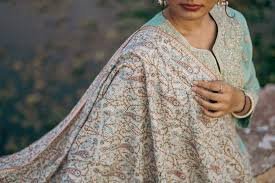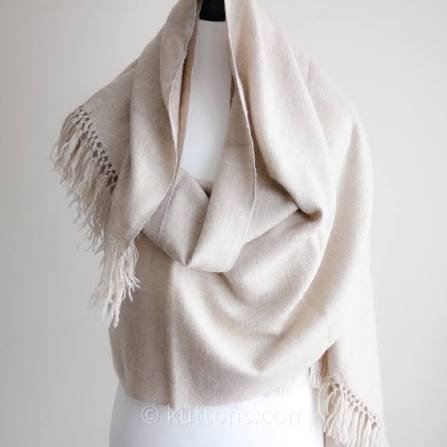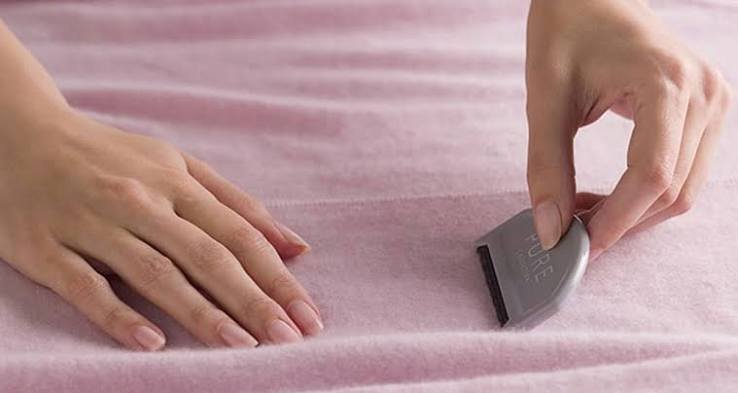

Winter has officially packed its bags, the Indian summer is blazing at full strength, and the humid monsoon clouds are lurking just around the corner. For lovers of luxury textiles, this seasonal shift brings a familiar sense of anxiety. It is time to retire your prized winter wardrobe.
But as you look at your exquisite, feather-light handwoven Pashminas, a quiet dread sets in: cloth moths.
There is nothing more heartbreaking than pulling out a multi-generational heirloom piece in November only to find tiny, irreversible holes peppered across the delicate fabric. If you’ve been wondering how to protect cashmere shawls from moths without ruining their soft texture or drenching them in toxic, smelly chemicals, you have come to the right place.
Let’s dive into the ultimate off-season storage blueprint designed specifically to keep your premium luxury wraps safe during the harsh, humid Indian weather.
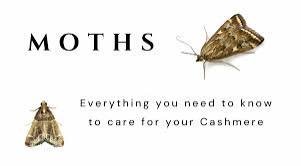
Why Clothes Moths Love Your Pashmina (Especially in the Indian Monsoon)
To effectively defend your wardrobe, you have to understand the enemy. Why do these tiny pests bypass your cotton kurtas and synthetic tops, choosing instead to feast exclusively on your most expensive investment pieces?
The Irresistible Feast of Animal Protein Fibers
Premium cashmere and authentic Pashmina are made from the ultra-fine undercoat of the Capra hircus goat. On a molecular level, these luxury animal fibers are composed almost entirely of a structural protein called keratin.
[Cashmere Goat Fiber] ───> Rich in Keratin Protein ───> Golden Feast for Moth Larvae
Interestingly, adult clothes moths don’t actually have mouths; they don’t eat your clothes at all. The real villains are their microscopic larvae. These larvae require keratin to grow, making your pure wool shawls, cashmere cardigans, and silk blends a highly nutritious, five-star culinary feast.
The Indian Monsoon: A Perfect Storm
The real danger zone begins when the Indian summer transitions into the sticky, humid monsoon months. Clothes moths absolutely thrive in:
- Darkness: Undisturbed corners of heavy wooden wardrobes or trunks.
- Stagnant Air: Closets that stay closed for months at a time.
- High Humidity: Moisture-laden air that softens natural animal protein fibers, making them easier for larvae to chew.
If your premium wraps carry even a trace of human sweat, skin flakes, or invisible food spills, the moths will sniff them out instantly. To them, an unwashed cashmere shawl stored in a dark, humid Indian cupboard is the ultimate luxury resort.
The Ultimate Cashmere Storage Rulebook (Featured Snippet Guide)
If you are looking for a quick, foolproof checklist to safeguard your investments today, follow this definitive step-by-step storage sequence:
- Wash and Dry Thoroughly Before Storing: Never put away a wrap that has been worn, even once. Persistent body oils invite pests.
- Sun-Air the Fabric: Give your shawls a brief, gentle sun-bath for 30 minutes to naturally destroy any hidden insect eggs.
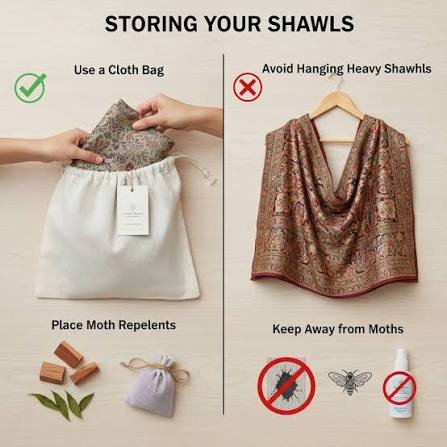
- Wrap in Breathable Cotton Malmal: Ditch the synthetic packaging. Wrap each piece individually in soft, white muslin or malmal cloth.
- Deploy Natural Pest Repellents: Place organic deterrents near your storage boxes to create an aromatic shield.
Natural Repellents vs. Chemical Repellents: Which is Better for Luxury Woolens?
When learning how to protect cashmere shawls from moths, you will encounter two vastly different schools of thought: traditional chemical deterrents and organic, plant-based alternatives.
Let’s look at how they compare when protecting ultra-delicate wool fibers:
| Repellent Type | Examples | Pros | Cons |
| Natural Repellents | Cedarwood blocks, dried neem leaves, lavender sachets, cloves | Smells fantastic, non-toxic, safe for skin, eco-friendly, keeps fibers soft | Needs to be refreshed every few months; repels adults but doesn’t kill existing larvae |
| Chemical Repellents | Naphthalene balls (mothballs), camphor tablets, paradichlorobenzene | Highly potent, effectively kills larvae and adult insects, long-lasting | Leaves a pungent, chemical smell that is incredibly difficult to remove; can yellow white fibers; toxic to pets and children |
The Verdict on Mothballs
While our grandmothers loved tossing handfuls of naphthalene balls into heavy iron almirahs, modern luxury fabric care strongly advises against them.
The pungent chemical gases emitted by mothballs get trapped inside the tight weave of cashmere. Because cashmere is highly porous, it absorbs these odors deeply. You might end up saving your shawl from holes only to find it completely unwearable due to a chemical stench that refuses to wash out.
Instead, opt for high-quality cedarwood blocks or deeply dried Indian neem leaves wrapped in tissue paper. They provide an incredibly hostile environment for pests while keeping your garments smelling beautifully earthy and clean.
Deep-Dive: The Silent Storage Killers You Must Avoid
Many well-meaning textile lovers accidentally destroy their luxury collections while trying to protect them. Let’s expose the two most common storage mistakes made across Indian households.
1. The Plastic Zip-Lock Trap (Why Plastic Causes Mildew)
It is tempting to place your beautifully folded shawls into large plastic storage tubs or air-tight space bags to keep the dust away. Do not do this.
Natural animal protein fibers are organic matter; they need to “breathe” to maintain their natural crimp and elasticity.
- The Moisture Lock: Plastic bags trap ambient humidity inside. In a hot, tropical country like India, trapped moisture has nowhere to escape.
- The Disaster: Over the summer months, this trapped humidity creates a greenhouse effect inside the plastic, leading to the growth of yellowish mold and musty mildew. This can permanently rot the delicate fibers, causing them to tear like wet paper.
The Fix: Always store your shawls in breathable cotton cloth bags, clean pillowcases, or traditional Indian malmal. Cotton allows air to circulate freely, keeping the relative humidity around the fabric balanced and dry.
2. The Danger of Permanent Creasing (The 90-Day Refold Rule)
When a premium shawl sits under the heavy weight of other winter clothes in the exact same folded position for six months straight, a structural disaster occurs.
The weight exerts immense pressure along the sharp fold lines. Over time, this constant stress weakens the core of the delicate cashmere yarns, leading to permanent crease-line fiber breakage. When you finally unfold it in winter, the fabric will look thinned out along the creases, and eventually, split into long, linear tears.
Long-Term Heavy Static Pressure ───> Weakens Yarn Core ───> Linear Fiber Breakage
The 90-Day Maintenance Ritual
To combat this, you must implement a strict maintenance schedule. Every 90 days, open up your storage trunks and perform a quick refresh ritual:
- Take the shawls out and gently shake them to loosen any settling dust.
- Inspect the fabric carefully under bright light for any early signs of pest activity.
- Refold them using an entirely different geometry (e.g., if it was folded into a square, roll it gently or fold it into a long rectangle).
This simple practice redistributes the structural stress across the yarns, ensuring your heirloom pieces remain flawless for generations.
Reviving a Stored Shawl: Your Winter Awakening Guide
When the air finally turns crisp again, bringing your collection out of hibernation requires a gentle touch.
Do not immediately wear a shawl straight out of summer storage. Instead, lay it flat on a clean white sheet in a well-ventilated room, away from direct sunlight, for a few hours. This allows the natural fibers to absorb ambient air, fluff back up, and release any faint herbal aromas from your natural repellents. If it feels a bit wrinkled, never use a hot iron directly on the surface. Use a garment steamer on its lowest setting held a few inches away, or hang it in a steamy bathroom for a natural, stress-free de-wrinkling process.
Knowing how to protect cashmere shawls from moths isn’t just about avoiding damage—it’s about preserving human artistry, rich cultural heritage, and timeless luxury. By ditching trapping plastics, switching to organic, natural repellents like cedar and neem, and giving your collection a quick spin every 90 days, you ensure your wraps stay as pristine, soft, and warm as the day they left the loom.
Do you have an heirloom wrap that needs a professional clean before the summer sets in? At pashminashawlsindia.com, we provide premium, specialized organic care and restored storage solutions designed to shield your investment garments from the unpredictable Indian elements. Explore our fabric care collection today to keep your luxury wardrobe safe!
See Also
HOW TO GET RID OF MOTHS
HOW TO REPAIR MOTH HOLES IN A CASHMERE SWEATER! Easy beginner method
Is Pashmina Water Resistant or Waterproof? Cold Weather Travel Guide
How to Remove Stains from Pashmina Shawl: Emergency Rescue Guide for Oil, Curry, Tea & Makeup