
If you have ever draped a luxurious wrap around your neck only to feel a prickly, uncomfortable prick, you know the frustration: is pashmina itchy, or did you just end up with a clever fake?
For wrap lovers across India and around the world, a genuine Pashmina is the ultimate winter luxury. It is celebrated for its weightless warmth and buttery softness. However, for those with delicate skin, even the slightest prickle can turn an elegant shawl into an unwearable nightmare.
In this ultimate sensitive-skin buyer’s guide, we break down the fiber science of softness, explain why does my pashmina itch, uncover how to spot a fake pashmina itchy wrap, and share practical advice on finding the softest shawl for sensitive skin.
1. Is Pure Pashmina Supposed to Feel Itchy?
To answer this directly: No, pure and genuine Pashmina is not supposed to feel sharply itchy.
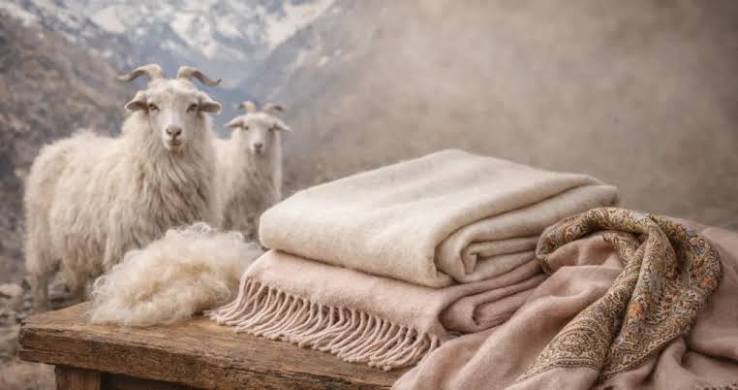
Authentic Pashmina is spun from the ultra-fine undercoat hair of the Capra Hircus goat (locally known as the Changthangi or Pashmina goat), native to the high-altitude plateaus of Ladakh. Because these goats endure brutal Himalayan winters where temperatures plummet to $-40^\circ\text{C}$, nature endows them with a fleece that is extraordinarily insulating yet fine.
       [ Human Hair ] ---------------------> 50 to 70 Microns
       [ Standard Sheep's Wool ] -----------> 30 to 40 Microns
       [ Fine Merino Wool ] ----------------> 18 to 24 Microns
       [ Commercial Cashmere ] -------------> 15 to 19 Microns
       [ Ladakhi Pure Pashmina ] -----------> 12 to 15 Microns  <-- Comfort Zone
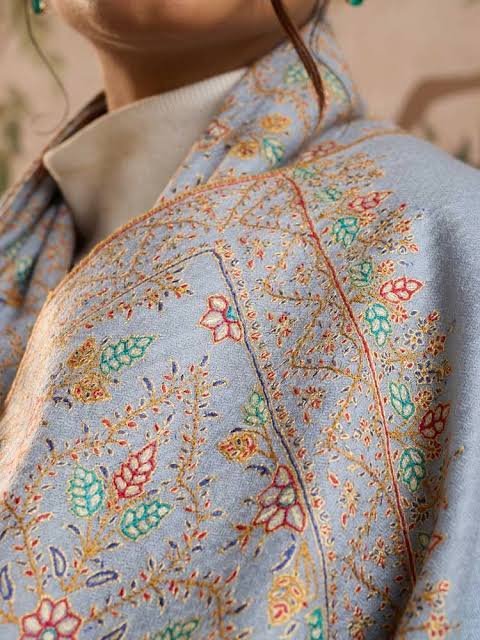
When pure Changthangi goat fiber is hand-spun and hand-woven by skilled Kashmiri artisans, the resulting cloth feels cloud-soft. If a shawl claims to be pure Pashmina but gives you an immediate, pokey sensation against your neck, something is amiss with either the fiber quality, the blend, or the finishing treatment.
2. Why Fibre Fineness Affects Skin Comfort
Why do some fabrics scratch while others melt against your skin? It all comes down to the physics of fiber diameter (measured in microns, where 1 micron = $\frac{1}{1000}\text{th}$ of a millimeter) and fiber flexibility.
When a textile fiber touches your skin:
- Thick, stiff fibers (above 21–25 microns) do not bend easily when they press against skin pores. Instead, they act like tiny rigid needles, triggering skin pain receptors and causing prickling sensations.
- Ultra-fine fibers (under 15.5 microns) lack the structural rigidity to prick the skin. When they come into contact with your pores, they instantly buckle and bend, creating a smooth sensation.
Because authentic Ladakhi Pashmina averages between 12 and 15 microns, it sits far below the human “prickle threshold” (typically 21 microns). This microscopic flexibility makes pure pashmina for sensitive skin one of the safest, most comfortable natural luxury textiles available.
3. Why Some Shawls Labelled Pashmina Feel Scratchy
You might buy a wrap clearly tagged “100% Cashmere/Pashmina” at a local boutique or online store, only to find yourself scratching your neck within ten minutes. If genuine fiber isn’t itchy, why does my pashmina itch?
There are several potential reasons:
- Guard Hair Contamination: Pashmina fleece contains soft under-fleece mixed with coarse outer “guard hairs.” If the de-hairing process (separating coarse hairs from fine down) is done carelessly, stiff guard hairs remain in the yarn, poking through the weave.
- Short-Staple Fibers: Low-grade raw wool uses short, broken fibers. Over time, these short ends poke out from the twisted thread, creating a fuzzy, prickling surface.
- Machine Spinning Strain: Hand-spun Pashmina yarn retains natural elasticity. High-speed industrial machines often over-twist fragile fibers, making the finished cloth stiff and prickly.
- Harsh Bleaches and Chemical Dyes: Industrial processing strips natural oils from wool, leaving fibers brittle and abrasive against sensitive skin.
4. Coarse Wool and Synthetic Blends (The “Fake Pashmina Itchy” Trap)
The term “Pashmina” is frequently misused in retail markets. Unscrupulous sellers often market cheaper materials as authentic Kashmiri Pashmina.
Standard Sheep’s Wool Blends
Standard sheep’s wool fibers range from 28 to 38 microns. Even when blended with 20% real cashmere, coarse sheep wool will dominate the texture, causing noticeable itching on sensitive skin.
Acrylic and Nylon Blends
Synthetic fibers like acrylic are engineered to look fluffy and feel soft on store racks. However, acrylic lacks breathability. It traps sweat and moisture against your neck, creating friction and heat rash that mimics fiber irritation.
The Over-Brushed Polyester Trick
Certain counterfeit shawls made from brushed synthetic yarns are artificially softened with silicone treatments. They feel luxurious on the first day, but after brief wear, the chemical coating wears off, leaving behind a rough, static-prone fabric that irritates sensitive skin.
5. Can Dyes or Fabric Finishes Cause Discomfort?
Sometimes the fiber itself is pure, yet the shawl still causes skin irritation. In these cases, the culprit is chemical finishing.
+-----------------------------------------------------------------------------------+
|                            SOURCES OF CHEMICAL IRRITATION                         |
+--------------------------+--------------------------------------------------------+
| Synthetic Acid Dyes      | Heavy azo dyes or un-rinsed residual color compounds.  |
| Industrial Softeners     | Silicone coatings that trap heat and clog skin pores.  |
| Bleaching Agents         | Harsh chlorine washes used prior to dyeing.            |
| Storage Preservatives    | Anti-moth chemicals, formaldehydes, or fungicides.     |
+--------------------------+--------------------------------------------------------+
If you notice redness or a burning sensation where the fabric sits tightly around your neck, your skin may be reacting to textile chemicals rather than the natural goat hair. Washing a new wrap correctly can often remove these surface chemical residues.
6. How to Test a Shawl Against Sensitive Skin
Before purchasing or wearing a new wrap out for an evening, perform these tests to verify comfort and fiber authenticity:
The Neck & Inner Wrist Touch Test
Your fingertips are calloused and less sensitive than other areas. To get a true sense of fiber comfort, press the fabric gently against the inside of your wrist or lower neck for 30–45 seconds. If you feel any sharp pinpricks or heat build-up, the shawl contains coarse fibers or synthetic content.
The Light Transparency Test
Hold the shawl up to a warm light source. Authentic hand-woven Pashmina shows a slightly irregular, delicate weave pattern (often a classic chashm-e-bulbul or diamond weave) with a subtle natural halo. Industrial synthetic copies look perfectly uniform, flat, and unnaturally glossy.
7. Softness vs. Slipperiness: Avoiding Viscose Fakes
A common trap when looking for the softest shawl for sensitive skin is mistaking slipperiness for true fiber softness.
Viscose (rayon) and modal wraps feel sleek, cool, and smooth. However, synthetic viscose lacks the gentle structure, breathability, and warmth of natural Pashmina.
| Feature | Authentic Pure Pashmina | Viscose / Synthetic Fake |
| Tactile Impression | Buttery, warm, weightless down | Cold, slick, heavy glide |
| Surface Reflection | Soft matte finish with gentle depth | High glossy sheen under direct light |
| Breathability | High temperature regulation | Poor (traps moisture and heat) |
| Burn Test Result | Burns slowly, smells like burnt hair, leaves soft ash | Melts into a hard plastic bead or burns like paper |
| Skin Reaction | Comfortably warm, non-irritating | Sweaty friction, static shock |
8. Diagnostic Table: Understanding Your Shawl’s Texture
If you own a wrap that feels uncomfortable, use this quick diagnostic guide to evaluate what is happening:
| Sensation | Possible Explanation | What to Check |
| Soft with slight natural texture | Normal fine hand-spun fiber | Organic weave structure and GI certification mark |
| Sharp prickling | Coarse wool, guard hairs, or synthetic blend | Fiber composition, micron count, and thread uniformity |
| Very slippery & cold | Viscose, modal, or rayon material | Surface sheen, label claims, and fabric weight |
| Irritation after several minutes | Dye residue, chemical finish, or skin allergy | Wash history, chemical scents, and dye quality |
| Loose fuzz & prickles | Surface shedding, broken ends, or weak short yarn | Construction quality and fiber length |
9. Can Washing Make Pashmina Softer?
Yes—authentic Pashmina relaxes and grows softer over time when properly cared for. Natural goat fibers relax after gentle washing, laying flatter in the weave.
How to Safely Hand-Wash Your Pashmina:
- Submerge in Cool Water: Fill a clean basin with lukewarm or cool water ($20\text{–}25^\circ\text{C}$).
- Add Mild Shampoo: Use an organic wool wash or baby shampoo. Avoid harsh detergents or laundry powders.
- Soak Gently: Swirl the shawl softly for 2–3 minutes. Never scrub, twist, or wring the fabric.
- Rinse Thoroughly: Rinse with cool, clean water until all soap residue is removed.
- Dry Flat: Roll the shawl inside a dry towel to absorb excess water, then lay it flat on a drying rack away from direct sunlight.
10. What to Ask Before Buying a Shawl Online
When shopping online for an authentic pashmina for sensitive skin, ask the seller these questions:
- Is the product Geographical Indication (GI) Certified?
Authentic Kashmiri Pashmina carries a GI tag confirming hand-spinning and hand-weaving with pure Ladakhi fiber below 16 microns. - What is the exact fiber composition?
Ensure the listing states 100% Pashmina or 100% Cashmere, rather than vague descriptors like “Pashmina-Touch” or “Silk Pashmina Mix.” - Is the yarn hand-spun or machine-spun?
Hand-spun yarns preserve natural fiber flexibility, preventing the stiffness associated with machine spinning.
11. When to Stop Wearing an Irritating Shawl
If you have sensitive skin, eczema, or contact dermatitis, pay close attention to how your body reacts:
Important Comfort & Health Note
If wearing a shawl results in persistent itching, hives, red welts, or inflamed skin, stop wearing the garment immediately. Wash the skin with mild soap and water. If redness or irritation continues, consult a qualified dermatologist. Do not force your skin to adapt to an irritating fabric.
Frequently Asked Questions (FAQs)
Should original Pashmina feel completely smooth?
Pure Pashmina is soft and light, but it is not completely slick like silk or synthetic viscose. Because it is a natural, hand-woven animal fiber, it has an organic texture and a subtle fuzzy halo. It feels cushion-soft and light against the skin rather than slippery.
Is Pashmina softer than cashmere?
Yes. Pashmina is a finer grade of cashmere. While standard cashmere ranges between 15 and 19 microns, pure Ladakhi Pashmina averages between 12 and 15 microns. This smaller fiber diameter gives genuine Pashmina a softer hand-feel.
Can fake Pashmina feel very soft?
Yes. Modern synthetic materials like viscose, modal, and micro-acrylics can feel soft on a clothes rack. However, they lack the warmth, breathability, and natural temperature control of real Pashmina, and they often cause static build-up or sweat irritation.
Is Pashmina suitable for eczema-prone skin?
Pure, untreated, un-dyed Pashmina is usually tolerated well because of its ultra-fine fiber structure. However, individuals with active eczema or severe wool allergies should test a small swatch against their skin or consult a healthcare professional before wearing animal fibers around the neck.
Why does my neck itch when I wear a shawl?
Neck skin is thin and sensitive to friction, trapped sweat, and fiber ends. Itching is typically caused by coarse wool fibers, synthetic blends that trap heat, residual dyes, or guard hairs left in the yarn.
Does Pashmina become softer with use?
Yes. High-quality natural Pashmina softens with age and careful hand-washing. As the fine fibers settle and loosen slightly with use, the fabric becomes smoother and warmer over time.
See Also
Is pashmina itchy- How Pashmina/Cashmere Wool is Produced | A Himalayan Herder Explains
- Pashmina Shawl Size Guide: Shawl vs Stole vs Scarf Dimensions
- What Does Real Kashmiri Pashmina Feel Like? Tactile Identity Guide
- How to Identify Pure Pashmina Shawl at Home: The Complete 6-Step Checklist
- The Viscose vs. Pashmina Showdown: Don’t Get Fooled by a Shiny Fake!