
A few tiny fuzz balls can make even a beautiful Pashmina shawl look tired. Fortunately, light pilling is usually manageable at home. The important thing is to treat a fine, handwoven shawl more gently than you would treat a thick knitted cashmere sweater.
To remove light pilling from Pashmina, place the shawl on a clean, flat surface and gently lift isolated pills with clean fingers. For mild surface pilling, use a fine cashmere comb with almost no pressure, moving in one direction. Avoid razors, scissors, sticky tape and aggressive fabric shavers because they can pull, nick or cut delicate woven threads.
This guide explains how to remove pilling from Pashmina safely, which tools are suitable and how to prevent the problem from returning.
Does Real Pashmina Pill?
Yes, real Pashmina can pill.
Pilling is the formation of small fuzzy balls when loose surface fibres become tangled through rubbing and regular wear. Woolmark describes pilling as a common surface effect in wool products, while specialist Pashmina-care guidance also recognises that friction may create superficial fibre balls. (woolmark.com)
Therefore, if you are wondering, “does Pashmina pill?”, the presence of a few pills does not automatically mean the shawl is fake or poor quality.
Fine natural fibres may gradually move towards the surface, particularly during the first few wears and in areas exposed to repeated rubbing. The neck, shoulders and edges of a shawl usually experience more friction than the centre.
What matters is the pattern of pilling. Light, localised pilling around the neck or shoulder is different from heavy fuzzing across the entire shawl after only one or two uses.
Learning how to remove pilling from Pashmina is therefore part of normal shawl maintenance rather than an indication that the shawl has been ruined.
Why Friction Creates Pashmina Fuzz Balls
Pashmina fuzz balls usually appear where the shawl repeatedly rubs against another surface.
Common friction points include:
- The neck and collar area
- The shoulder beneath a handbag strap
- The edge rubbing against a woollen coat or cardigan
- Sections caught against jewellery, sequins or embroidery
- Areas that are frequently twisted, folded or adjusted
- The portion tucked beneath the arm
Pilling begins when small fibres loosen from the yarn and rise above the surface of the fabric. Continued friction causes these fibres to tangle into small balls.
Woolmark identifies abrasion during wear as a central cause of pilling. Pashmina-care specialists similarly recommend keeping delicate shawls away from rough handbags, Velcro, coarse jewellery and heavily textured surfaces. (woolmark.com)
This is why knowing how to remove pilling from Pashmina is only half the solution. Unless you identify and reduce the source of friction, the same area may begin pilling again.
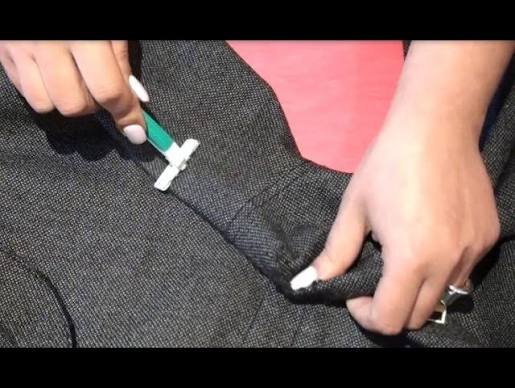
Normal Pilling vs Poor-Quality Pashmina
Light and localised pilling is generally normal.
A few pills near the neck or shoulder after repeated use are more likely to reflect friction than a manufacturing defect.
You should pay closer attention when you notice:
- Heavy pilling across the entire shawl after very little wear
- Large clumps returning immediately after removal
- Continuous shedding on your clothes
- Weak, broken or visibly loose yarns
- Uneven thinning underneath the pills
- A surface that becomes matted instead of softly fuzzy
- Excessive colour transfer
- No clear fibre composition on the label
High-quality cashmere and Pashmina can still pill. Pilling alone cannot be used to authenticate a shawl.
Fibre length, yarn construction, finishing, weaving quality, frequency of wear and blended fibres can all influence how the surface behaves. Strong synthetic fibres in a blend may sometimes hold tangled pills to the fabric for longer, but this is only one possible explanation—not a reliable home test for authenticity. (ScienceDirect)
Best Tools for Removing Pilling from Pashmina
Before deciding how to remove pilling from Pashmina, choose the least aggressive tool that can do the job.
| Tool | Suitable for Pashmina? | Risk level | Best use |
|---|---|---|---|
| Clean fingers | Yes | Very low | Isolated pills |
| Fine cashmere comb | With caution | Low | Light surface pilling |
| Electric fabric shaver | Usually avoid | High | Professional use only |
| Razor | No | Very high | Not recommended |
| Sticky tape | Avoid | Medium | May pull loose fibres |
Clean Fingers for Isolated Pills
For one or two loose pills, your fingers are usually the safest tool.
Woolmark recommends removing small numbers of pills by hand. Lay the shawl flat, support the surrounding fabric and gently roll the pill away. Never pull it sharply. (woolmark.com)
The pill should separate with very little resistance. If the surrounding fibres begin lifting with it, stop.
Using a Fine Cashmere Comb for Pashmina
A fine cashmere comb can help when light fuzzing covers a small area.
Use a comb specifically designed for delicate cashmere. Do not substitute it with:
- A pet comb
- A stiff sweater brush
- A metal lint-removal tool
- A rough clothes brush
- A plastic hair comb
A handwoven shawl may snag more easily than dense knitwear. Use fewer passes, almost no downward pressure and only one direction of movement.
Specialist cashmere-care sources recommend gentle combing, while fashion-care experts warn that aggressive de-bobbling may create unnecessary wear on fine garments. (Tom & Bridget Boutique)
Using Tweezers on a Pashmina Shawl
Blunt-tipped tweezers may be used only when a pill is visibly sitting above the fabric and is almost completely detached.
Never push the tweezers between the yarns. If the pill resists, leave it alone rather than risking a pulled thread.
How to Depill a Pashmina Shawl Step by Step
Here is the safest home method for how to remove pilling from Pashmina.
Step 1: Read the Fibre and Care Label
Check the fibre composition and cleaning instructions before doing anything.
A pure cashmere shawl, cashmere-silk blend and wool-viscose shawl may behave differently. “Pashmina” is also sometimes used as a marketing term, so the actual fibre declaration on the label matters. (Federal Trade Commission)
Follow any specific care instructions supplied by the seller or artisan.
Step 2: Work in Bright Light
Natural daylight helps you distinguish a pill from:
- A woven knot
- Raised yarn
- Embroidery
- A snag
- A decorative irregularity
- A loose thread
Do not attempt to remove anything you cannot identify clearly.
Step 3: Lay the Shawl Flat
Spread the shawl over a clean cotton sheet or a smooth table covered with a soft cloth.
Do not depill the shawl while:
- Wearing it
- Holding it in the air
- Draping it over a chair
- Hanging it vertically
A flat, supported surface reduces stretching and helps you control your movements.
Step 4: Smooth the Fabric Gently
Flatten the affected area with your palm, but do not pull the fabric tightly.
Excess tension may distort the weave and make a cashmere comb more likely to catch a thread.
Step 5: Begin with Clean Fingers
Support the area around the pill with one hand.
With the other hand, softly roll the loose pill between your fingertips and lift it away. Stop immediately if the surrounding fibres begin moving with the pill.
This should always be your first method when learning how to remove pilling from Pashmina.
Step 6: Test the Cashmere Comb
Before using the comb on a visible area, test one very light stroke near an inner edge or another less noticeable section.
Check whether the comb:
- Lifts yarns
- Increases fuzziness
- Disturbs the weave
- Pulls embroidery
- Changes the surface texture
Do not continue if you notice any of these problems.
Step 7: Comb in One Direction
Hold the shawl steady and use short strokes in a single direction.
Do not scrub backwards and forwards. Two or three light passes should be enough for one small section.
Pause and inspect the surface after every few strokes. Repeated combing may remove more fibre than necessary.
Step 8: Lift Loose Fluff by Hand
Pick up any loosened fibres with clean fingers.
Do not press sticky tape or a lint roller over the treated area. Adhesive products may lift additional fibres from the fabric.
Step 9: Do Not Chase a Perfectly Smooth Finish
A natural handwoven shawl does not have to look mechanically polished.
Repeatedly combing the surface to remove every tiny fibre may gradually thin the shawl. The purpose of how to remove pilling from Pashmina is to clear visible pills without weakening the yarn.
A slight natural halo or softness is not necessarily damage.
Step 10: Rest and Refold the Shawl
After depilling, loosely fold the shawl and leave it in a clean, dry place.
Avoid immediately pairing it with the same rough coat, handbag or necklace that caused the rubbing.
Can You Use an Electric Fabric Shaver on Pashmina?
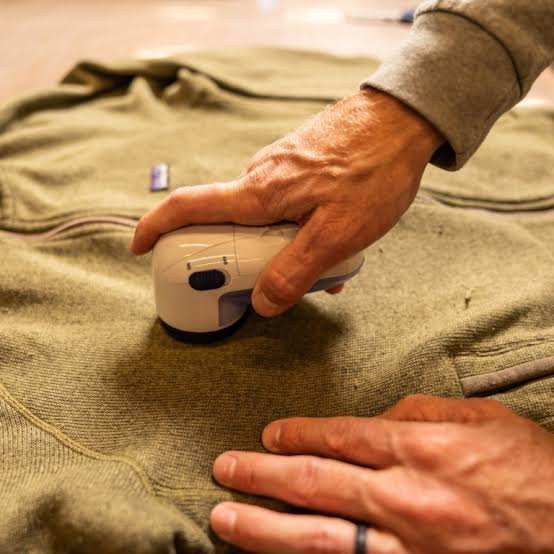
For most handwoven Pashmina shawls, an electric fabric shaver is best avoided at home.
Fabric shavers are commonly recommended for knitted sweaters because their blades move over a relatively even surface. A fine woven shawl may contain delicate yarn intersections, handwoven variations, embroidery or slightly raised fibres.
A fast-moving blade can catch one of these threads before you notice.
Some general cashmere guides allow the use of fabric shavers. Other experts recommend avoiding de-bobblers on fine cashmere because they may cause unnecessary wear. Given this difference, the safer Pashmina-specific approach is to reserve electric shaving for an experienced textile-care professional who can inspect the weave first. (Pashmina.com)
Never use an electric fabric shaver on:
- An antique Pashmina shawl
- A kani-woven shawl
- Embroidered Pashmina
- An heirloom piece
- A shawl with loose threads
- A visibly thinning shawl
- A shawl with delicate borders or embellishments
Why Razors, Scissors and Sticky Tape Are Risky
Many online sweater-care guides recommend disposable razors. That advice should not be copied blindly when deciding how to remove pilling from Pashmina.
Razors
A razor cannot reliably distinguish between a pill and a fine surface thread.
One wrong movement may slice through the yarn or create a weak point that eventually develops into a hole. Even a safety razor can damage a loosely woven section.
Scissors
Scissors are difficult to control close to a soft and uneven fabric surface.
Cutting a pill too close may sever fibres that are still connected to the yarn. The damage may not be visible immediately but may appear after the shawl is worn or cleaned.
Sticky Tape and Lint Rollers
Sticky tape may grip loose fibres along with the pills.
Repeated pressing and peeling can increase fuzziness, disturb the surface or pull an existing snag. Strong lint rollers can create a similar problem.
Pumice Stones, Velcro and Sandpaper
These methods occasionally appear in generic clothing-care hacks.
They are far too abrasive for a delicate Pashmina shawl and should be avoided completely.
How to Prevent Pilling Near the Neck and Shoulders
Once you understand how to remove pilling from Pashmina, a few simple habits can reduce how often you need to do it.
- Wear the shawl over smooth cotton, silk or fine-knit clothing.
- Keep handbag straps away from the same shoulder area.
- Avoid sharp necklaces, brooches and rough jewellery.
- Keep the shawl away from sequins and heavy embroidery.
- Never allow Velcro to touch it.
- Change the fold and drape regularly.
- Let the shawl rest between wears.
- Fold it instead of leaving it on a hanger.
- Store it clean and completely dry.
- Keep it away from rough shelves and unfinished wooden surfaces.
Resting wool garments allows the fibres to recover, while avoiding abrasive accessories reduces repeated friction. (woolmark.com)
For Indian winters, check the inside of wool coats, embroidered jackets, kurtas and wedding wear. A rough hook, zari border, bead or decorative edge may repeatedly rub the shawl near the neck.
Handbags with metal chains or embellished straps are another common cause of localised pilling.
Does Washing Reduce or Increase Pilling?
Both are possible.
A careful hand wash may release some loose surface fibres. However, rubbing, scrubbing, wringing, machine agitation and rough drying can increase fuzzing and pilling.
Pashmina-care guidance specifically warns against rubbing the fabric during washing because it may distort the material and encourage pilling. (Pashmina Editorial)
Do not wash a shawl simply because you want to remove pills. Depill it while it is dry.
Wash the shawl only when it genuinely needs cleaning and always follow the care label.
When handwashing is permitted:
- Use cool or lukewarm water.
- Add a small quantity of mild, wool-safe cleanser.
- Soak the shawl without rubbing it.
- Support its weight when lifting it from the water.
- Never wring or twist the fabric.
- Press out moisture between clean towels.
- Reshape it gently.
- Dry it flat, away from sunlight and direct heat.
When Pilling May Indicate a Blend
Persistent pilling may make you question whether the shawl contains synthetic fibres.
That concern is understandable, but pilling cannot prove fibre composition.
Blended fabrics may pill because weaker fibres break while stronger fibres keep the tangled pill attached to the surface. Pure natural-fibre fabrics can also pill, and construction quality may matter as much as the fibre content. (ScienceDirect)
Look for more reliable evidence, including:
- A clear fibre-content label
- Seller or artisan documentation
- Transparent disclosure of silk, wool, viscose, nylon or polyester
- Certification information
- Laboratory testing information
- A credible authenticity policy
- A clear return policy
For an expensive shawl, professional fibre testing is far more reliable than home burn tests, pulling fibres or judging authenticity from pilling.
Quick Pashmina Depilling Checklist
Before starting, make sure:
- The shawl is clean and completely dry.
- You are working on a clean, flat surface.
- The area is well lit.
- You have identified actual pills.
- You will use your fingers before using a comb.
- The cashmere comb is fine and clean.
- You have tested a hidden section.
- You are moving in one direction.
- You are applying almost no pressure.
- You will stop if a yarn begins to lift.
- You are not treating embroidery or woven knots as pills.
- You have identified the original source of friction.
Frequently Asked Questions
Is pilling a sign of fake Pashmina?
No. Real Pashmina can develop light pilling because of friction.
Heavy or rapid pilling may justify checking the fibre label, product documentation and seller, but it is not a conclusive test of authenticity.
Does high-quality Pashmina pill?
Yes, high-quality Pashmina can pill.
Fine fibres may rise towards the surface during regular use, particularly around the neck, shoulders and other high-friction areas. Better fibre and construction may reduce excessive pilling, but natural-fibre shawls are not guaranteed to remain completely pill-free.
Can a cashmere comb damage a shawl?
Yes, a cashmere comb can cause damage when it is coarse or used with excessive pressure.
Always test a hidden section first. Use very short and light strokes in one direction. Stop if the comb catches the yarn or increases surface fuzziness.
How often should Pashmina be depilled?
Depill Pashmina only when visible pills appear.
Do not comb the shawl every week simply to make it look smoother. Excessive depilling may gradually remove fibres and thin the surface.
Why does my shawl pill near the neck?
The neck area experiences repeated rubbing from collars, hair, jewellery, skincare products and frequent adjustment.
Changing how you drape the shawl and keeping it away from rough jewellery can reduce pilling in this area.
Can dry cleaning stop pilling?
No. Dry cleaning may remove dirt and stains, but it cannot permanently prevent friction-related pilling.
Follow the shawl’s care label and avoid unnecessary cleaning. Reducing abrasion is more important for preventing recurring pills.
What is the safest way to remove one stubborn pill?
Lay the shawl flat and support the surrounding fabric.
Gently roll the pill using clean fingers. If the pill pulls neighbouring fibres or does not separate easily, stop and consult a textile-care professional.
Should Pashmina be combed after every wear?
No. Routine combing is unnecessary and may gradually wear down the surface.
Inspect the shawl after wearing it and remove only clearly visible, loose pills.
Final Takeaway
The safest answer to how to remove pilling from Pashmina is simple: begin with clean fingers, work on a flat surface and use a fine cashmere comb only when necessary.
Move in one direction, apply almost no pressure and stop before the surface becomes overworked.
Do not treat a handwoven Pashmina shawl like a thick knitted sweater. Razors, scissors, sticky tape and electric fabric shavers may offer speed, but they also increase the risk of cut yarns, snags and thinning.
Gentle spot treatment, reduced friction and careful storage will protect your shawl far better than aggressive depilling.
See Also
Why Your Clothes Pill (& How to Remove Pilling) – Garment Care Tips
How to Remove Lint balls/Pilling from Clothing
Can You Iron a Pashmina Shawl? Safe Ways to Remove Creases
How to Remove Stains from Pashmina Shawl: Emergency Rescue Guide for Oil, Curry, Tea & Makeup
How to Wash Pashmina Shawl at Home Safely: The Ultimate Guide
What Does Real Kashmiri Pashmina Feel Like? Tactile Identity Guide
The Viscose vs. Pashmina Showdown: Don’t Get Fooled by a Shiny Fake!