
There is something truly magical about opening a grandmother’s wooden trunk (trunk or steel almirah) during a family gathering and uncovering a carefully wrapped textile. You reach inside, unfold layers of soft muslin or newspaper, and feel a feather-light fabric that immediately warms your fingers.
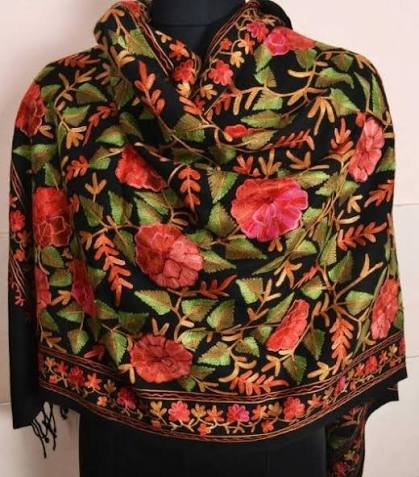
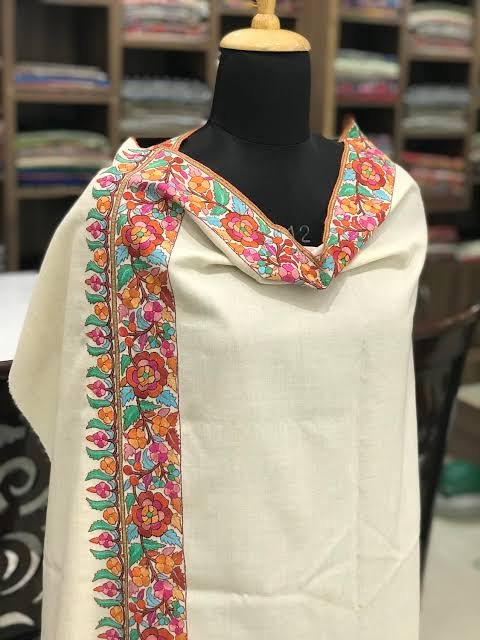
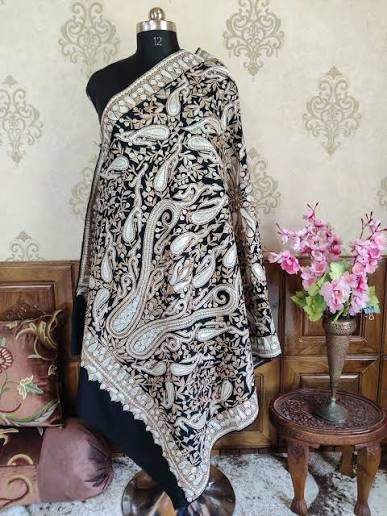
Maybe it’s an intricate Kani weave filled with fine paisley motifs (Boteh), or a delicate Sozni needle-embroidered masterpiece passed down through three generations as part of a family wedding trousseau.
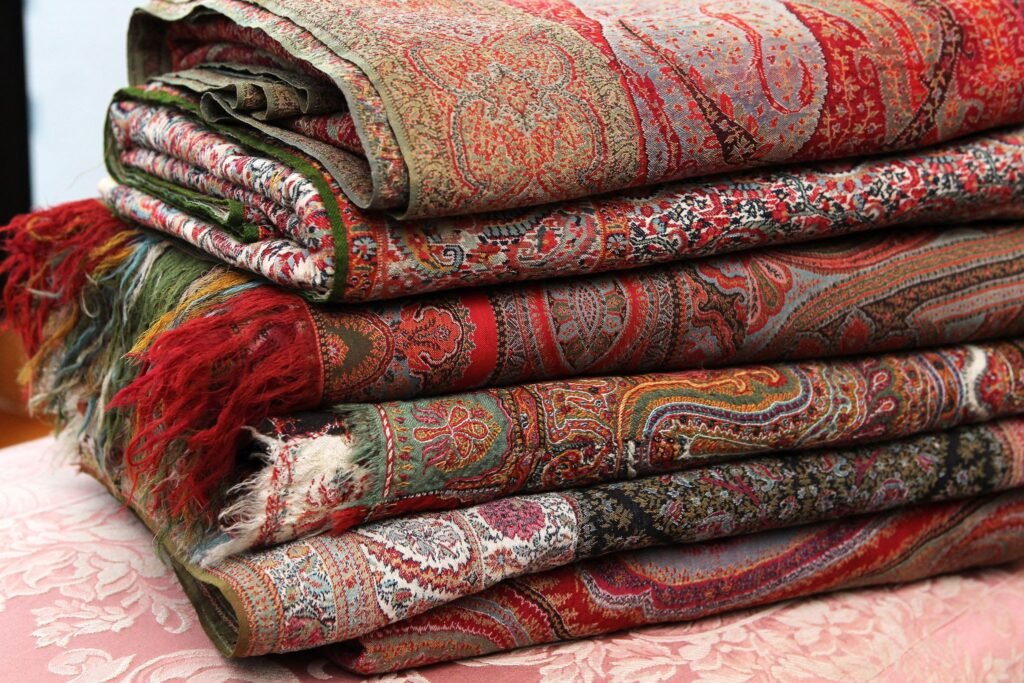
As you run your hands across the weave, a question naturally comes to mind: What is the true vintage pashmina shawl value of this family heirloom? Is it just a cherished family keepsake, or are you holding an authentic, museum-grade Kashmiri antique worth lakhs of rupees?
Determining the market and artistic value of an old shawl requires an eye for detail. Let’s explore how luxury textile experts, antique collectors, and Kashmiri master artisans evaluate these timeless treasures.
Quick Verification Checklist for Vintage Pashmina Shawl Value
If you are looking for a quick way to assess an inherited shawl, textile appraisers look for three critical physical markers to separate a priceless vintage piece from a modern power-loom copy.
                  ┌──────────────────────────────────────────┐
                  │   VINTAGE PASHMINA EVALUATION TRIANGLE   │
                  └────────────────────┬─────────────────────┘
                                       │
         ┌─────────────────────────────┼─────────────────────────────┐
         ▼                             ▼                             ▼
┌──────────────────┐          ┌──────────────────┐          ┌──────────────────┐
│   SILK CORE      │          │   HAND-SPUN      │          │ ORGANIC NATURAL  │
│   FOUNDATION     │          │   WEAVE DENSITY  │          │ DYE AGING        │
└──────────────────┘          └──────────────────┘          └──────────────────┘
  Presence of silk              Microscopic weave             Muted, soft patina
  warps woven with              irregularities proving        that stays vibrant
  Changthangi fiber             Charkha spinning              without bleeding
Quick Evaluation Markers:
- 1. Presence of a Real Silk Core Thread: In authentic 19th and early-20th-century Kashmiri handlooms, master weavers often used an ultrafine silk warp (Taana) to support hand-spun Changthangi Pashmina pashm fiber. If you inspect the fringe under magnification and spot microscopic silk core threads holding the wool, it signals high antique craftsmanship.
- 2. Density & Imperfection of the Hand-Spun Weave: Machine-made shawls exhibit rigid, uniform grid patterns. True vintage pashmina shawl value relies on hand-spun fiber made on a traditional Charkha wheel. Under a magnifying glass, a real handwoven piece reveals subtle, natural variations in thread thickness that give handloom textiles their drape and warmth.
- 3. Muted Aging of Organic Natural Dyes: Antique shawls crafted before the mid-20th century were dyed exclusively with organic plant and mineral extracts—like madder root for deep reds, indigo for blues, and saffron or walnut husks for golds and browns. Unlike harsh synthetic dyes that fade unevenly, organic dyes develop a soft, glowing patina over decades without losing their luster.
Decoding the History: Why Old Pashminas Outvalue Modern Copies
To understand why a verified, well-preserved 50-year-old handwoven piece can be worth exponentially more today than a modern store-bought shawl, you have to look at how raw materials and labor have changed over time.
1. The Rarity of Pure Hand-Spun Changthangi Fiber
Authentic Kashmiri Pashmina comes from the undercoat of the Capra Hircus goat, raised by nomadic Changpa herders in the high-altitude Changthang plateau of Ladakh (14,000+ feet above sea level).
Five decades ago, this raw Pashm wool was washed in the fresh spring waters of Kashmir and spun entirely by hand on wooden wheels (Yender or Charkha). Women spinners produced threads measuring between 12 to 15 microns in diameter—much finer than human hair (which averages 70 microns).
Today, pure hand-spinning has become increasingly rare due to industrialization. Consequently, vintage pashmina shawl value continues to climb because these older pieces contain a density of pure, unadulterated hand-spun fiber that modern commercial looms simply cannot replicate.
       [ Modern Power Loom Shawl ]               [ Authentic Vintage Handloom ]
   ─────────────────────────────────         ───────────────────────────────────
   • Fiber: Blended / Machine-spun           • Fiber: 100% Hand-spun Ladakhi Pashm
   • Weave: Mechanical uniform grid          • Weave: Twill / Diamond (Chashm-e-Bulbul)
   • Dyes: Chemical / Synthetic Aniline      • Dyes: Organic Madder, Indigo, Walnut
   • Lifespan: 5 - 10 Years                  • Lifespan: 50 - 100+ Years (Heirloom)
2. The Loss of Ultra-Fine Handloom Craftsmanship
Modern production values speed, but vintage pashminas were built on patience. A single 19th-century Dorukha (reversible embroidered) or Kani (wooden spool woven) shawl took anywhere from 6 months to 3 full years of continuous labor by master artisans (Karigars).
When you calculate the sheer hours of human handiwork embedded in a 50-year-old shawl, its financial worth becomes clear. You aren’t just paying for wool—you are acquiring hundreds of hours of preserved human art.
The Kani Factor: Assessing the Worth of Old Kani Fragments & Jamewars
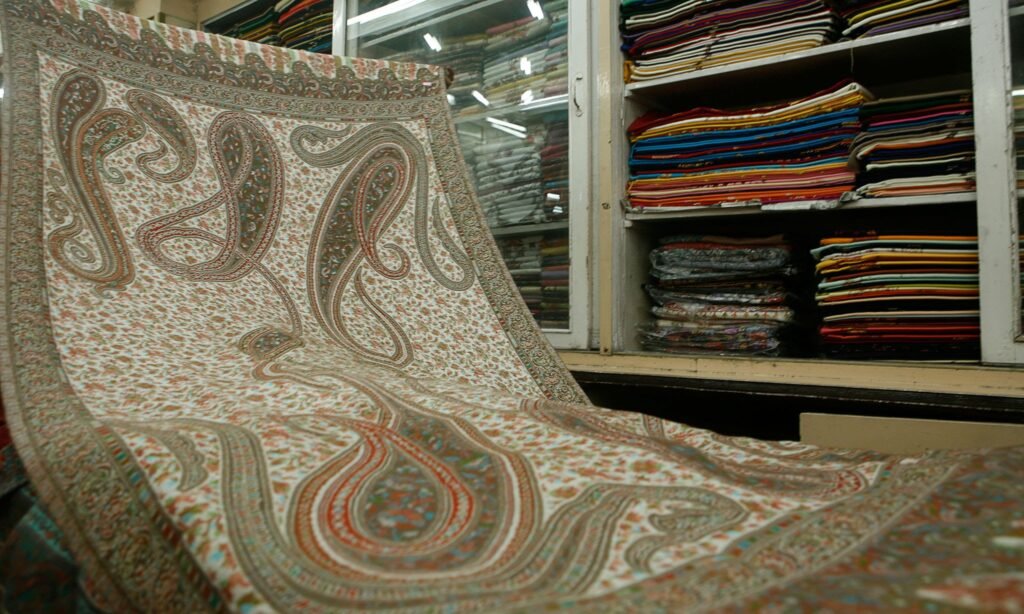
Among all Kashmiri textiles, none commands higher respect—or higher prices—than the Kani Shawl.
Rather than using a needle after weaving, a Kani shawl is crafted by interlocking small wooden eyeless spools (Kani) loaded with colored yarns directly into the warp threads while on the loom. The weaver follows a written coded script called a Talim, effectively writing a visual story thread by thread.
How Kani Weaves Impact Valuation:
- Full Vintage Kani Jamewar (100+ Years Old): A fully covered, undamaged antique Kani Jamewar from the late 19th century can easily fetch between ₹2,000,000 to ₹10,000,000+ ($5,000 to $50,000+ USD) at international auctions like Sotheby’s or Christie’s.
- Mid-20th Century Kani Pieces (40–70 Years Old): Well-kept family pieces from the 1950s to 1980s featuring classic Amlikar or Kani borders regularly appraise between ₹75,000 to ₹350,000, depending on condition and pattern complexity.
- The Value of Antique Kani Fragments: Even if your grandmother’s old Kani shawl suffered moth damage or tears over the decades, do not throw it away! Textile conservators and luxury fashion houses actively purchase antique Kani fragments. These historical swatches are framed as wall art, converted into museum display panels, or restored onto new pure Pashmina backings. Even a 12-inch intact antique Kani fragment can hold significant monetary value.
Detailed Evaluation Criteria: How Appraisers Value Your Shawl
If you bring your family heirloom to an antique textile specialist or appraiser, they will evaluate the piece across five core categories:
| Assessment Parameter | High Value Indicators (Collector Grade) | Lower Value Indicators (Commercial Grade) |
| Weave Pattern | Traditional Chashm-e-Bulbul (Eye of the Nightingale) or tight twill weave. | Flat, plain weave with uniform mechanical symmetry. |
| Embroidery / Work | Fine Sozni needlework, Dorukha (identical double-sided), or full Kani spool weave. | Thick Aari hook work or machine-made computer embroidery. |
| Fiber Purity | 100% fine Ladakhi Pashm; passes the burn test (smells like natural hair, leaves fine ash). | Contains synthetic nylon/polyester warp threads or coarse wool blends. |
| Dye Character | Natural, organic colors (indigo, madder, turmeric) with soft, mellow aging. | Harsh, bright chemical dyes that have bled into surrounding threads. |
| Structural State | Intact edges, minimal moth damage, clean fringe, zero dry-rot. | Extensive unraveling, heavy chemical stains, dry-rotted fibers. |
Caring for Antique Textiles: Preserving Your Family Legacy
Even the most valuable vintage pashmina can lose its market and emotional worth if stored incorrectly. The pashm fiber is a delicate organic protein that requires proper care to survive India’s varied climate.
1. Storage Best Practices
- Never Use Plastic Bags: Avoid storing vintage shawls in sealed plastic covers or vacuum bags. Plastic traps ambient moisture, which leads to yellowing, fungal mold, and fiber weakening over time.
- Wrap in Pure Breathable Cotton: Always wrap your heirloom shawls in unbleached, breathable white cotton or muslin fabric (Malmal). This allows the natural fibers to breathe while protecting them from dust.
- Natural Insect Repellents: Avoid direct contact with chemical mothballs (naphthalene balls), which leave a persistent odor and can discolor organic dyes. Instead, place dried neem leaves, natural cedarwood blocks, or dried lavender sachets in the outer corners of your storage trunk.
2. Handling and Cleaning Guidelines
- Avoid Frequent Washing: Antique pashminas should almost never be washed at home. Water weight can strain delicate hand-spun threads and cause severe shrinkage.
- Professional Dry Cleaning Only: If cleaning is necessary, take the piece to a specialized dry cleaner who understands heirloom natural textiles. Always inform them that the item contains organic dyes.
- Air Out Periodically: Twice a year (preferably during dry winter or autumn months), gently unfold your heirloom shawls and let them air out in a shaded, well-ventilated room for a few hours. Keep them away from direct sunlight, which fades natural dyes.
                  ┌──────────────────────────────────────────┐
                  │      HEIRLOOM PASHMINA CARE ROUTINE      │
                  └────────────────────┬─────────────────────┘
                                       │
         ┌─────────────────────────────┼─────────────────────────────┐
         ▼                             ▼                             ▼
┌──────────────────┐          ┌──────────────────┐          ┌──────────────────┐
│  WRAP IN MUSLIN  │          │ USE CEDAR / NEEM │          │  AIR OUT TWICE   │
│  (NO PLASTIC)    │          │ (NO NAPHTHALENE) │          │  YEARLY IN SHADE │
└──────────────────┘          └──────────────────┘          └──────────────────┘
Real vs. Fake: Performing Safe Home Checks
Before seeking a professional appraisal for your vintage pashmina shawl value, you can perform these safe checks at home to test its authenticity:
- The Touch & Warmth Test: Genuine pashmina does not feel cold or slippery like synthetic silk blends. When held gently between your hands, it conducts body heat almost instantly while feeling soft, light, and comfortable against the skin.
- The Handle Pull Test: Pass the corner of the shawl through a smooth finger ring. While the famous “ring test” isn’t full proof on its own (as thin viscose can also pass), a genuine hand-spun pashmina glides through without snagging or generating static electricity.
- The Microscopic Burn Test (Corner Thread Only): Carefully extract a single tiny loose thread from an frayed edge or fringe. Burn it with a lighter flame:
- Real Pashmina: Burns slowly with a distinct smell of burnt human hair and leaves behind a soft, powdery black ash that crumbles completely when touched.
- Synthetic Blend: Melts quickly into a hard, plastic-like bead with a chemical chemical odor.
Frequently Asked Questions (FAQs)
Q1. How do I know if my old pashmina shawl is real or synthetic?
Real vintage pashminas are woven from pure hand-spun Pashm wool. They feel lightweight, warm up quickly in your hands, display subtle weave variations, and burn to a soft ash with a natural hair smell. Synthetic blends feel slippery, trap static electricity, and melt into hard plastic beads when burned.
Q2. How much is a 50-year-old Kashmiri Pashmina shawl worth?
A well-preserved 50-year-old handloom Pashmina with fine Sozni needlework generally ranges between ₹45,000 to ₹150,000 ($500 to $1,800 USD). If the piece is an intact hand-woven Kani Jamewar, its value can easily exceed ₹200,000 to ₹500,000+, depending on pattern complexity and overall condition.
Q3. Can I sell or appraise an old damaged pashmina shawl?
Yes! Collectors, textile conservators, and luxury design houses regularly buy damaged antique pashminas and Kani fragments. These pieces are restored, framed as decorative wall panels, or repurposed into high-end fashion accessories. Never discard a vintage hand-spun shawl based on minor moth damage or small tears.
Preserving the Legacy of Kashmiri Craftsmanship
Uncovering an old pashmina in a family chest is like opening a window into India’s rich textile history. Whether your shawl turns out to be a museum-grade Kani antique worth lakhs or a mid-century handloom family keepsake, its true value lies in the human craftsmanship woven into every thread.
By taking proper care of your inherited textiles and understanding their heritage, you help preserve the legacy of Kashmir’s master artisans for generations to come.
See Also
Kashmir’s Kani Shawls: A Priceless Legacy Showcased at World Craft Forum
Pashmina – The Kashmiri Craft that has Survived Centuries
Kani Weave vs Sozni Embroidery Pashmina: The Ultimate Heritage Guide
How Much Does a Real Kani Shawl Cost? 2026 Price & Buying Guide