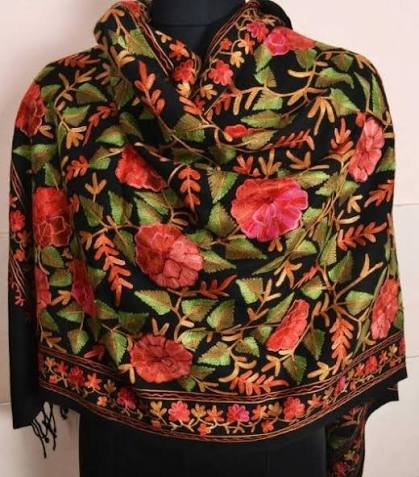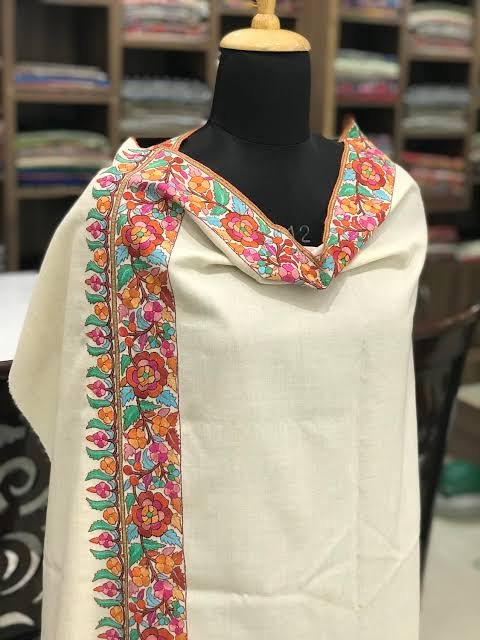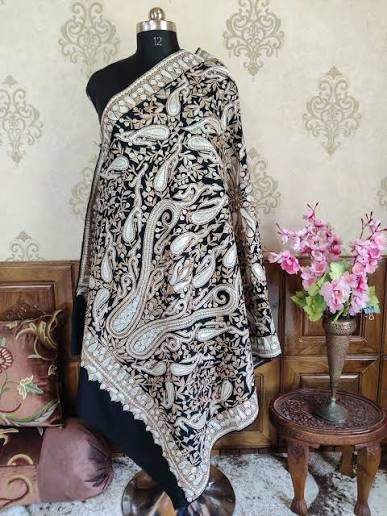

Whether you are building a magnificent winter wedding trousseau or looking to invest in a piece of timeless luxury, you have probably arrived at a crucial crossroad. You are staring at two jaw-droppingly gorgeous Kashmiri masterpieces, and the boutique manager smiles and drops the technical industry terms: “Madam, this one is a handwoven Kani piece, and that one features exquisite hand-done Sozni embroidery.”
They both look royal. They both feel as soft as a whisper. Yet their price tags, production stories, and visual weights are completely different.
If you are trying to understand the nuances of kani weave vs sozni embroidery pashmina, you are in the right place. Let’s dive straight into the masterclass of Kashmiri textile art so you can shop like a seasoned collector.
The Core Structural Difference
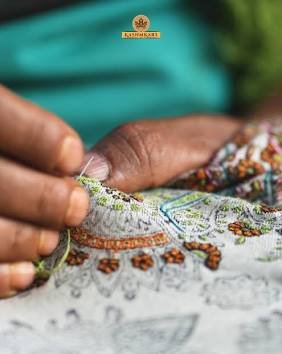
The core difference lies in structural creation: A Kani shawl incorporates the colorful design directly into the fabric framework using spool sticks on the loom itself. Conversely, a Sozni Pashmina is woven completely plain first, and the intricate patterns are later hand-stitched on top using a needle point.
| Feature / Metric | Kani Weave Masterpiece | Sozni Embroidery Needlework |
| Creation Method | Loom-interlocked pattern creation. | Surface-level hand needlework. |
| Primary Tool Used | Kanis (small eyeless cane spools). | Sozni (fine, specialized embroidery needles). |
| Design Guide | Written code sheet called Talim. | Stamped block prints (Naqash) on fabric. |
| Base Fabric state | Pattern is built with the structural weave. | Fabric is woven 100% plain beforehand. |
| Texture Feel | Flawlessly flat, unified, fluid canvas. | Slightly raised, embossed 3D texture. |
Deep-Dive: The Hidden Architecture of the Reverse Side
When assessing premium textiles, the surface design can easily deceive the untrained eye. To truly appreciate the labor or spot the authenticity of either craft, you have to do what textile museum curators do—flip the shawl completely inside out.
The reverse side of an authentic piece acts like a clear, unedited blueprint of the artisan’s daily workflow.
The Architecture of a Kani Weave
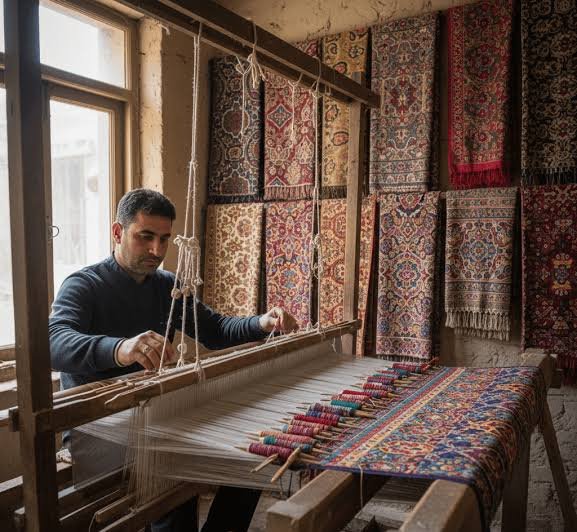
When you examine an authentic Kani weave from behind, you will instantly notice that the pattern looks nearly as crisp and vibrant as the front. However, because the loom artisan works with multiple small colored cane spools across a single horizontal row, you will see a fascinating network of miniature, clean interlocking color loops.
Where one color field finishes and another begins, the threads intertwine seamlessly into the structural warp of the wrap. There are no long, floating loose strands running horizontally across the back. It is a completely flat, interlocked structural matrix.
The Architecture of Sozni Embroidery
Now, pick up a premium hand-embroidered piece and study its reverse side. Because the base Cashmere wrap was woven completely plain on a standard handloom first, the structural fabric background is uniform. The artistry happens entirely on top.
A master needle artisan takes ultra-fine silk or organic pashmina threads and pierces the top layers of the woven base. On the back, you will see millions of microscopic knots and tiny, delicate anchor loops where the needle thread has pulled through.
The pattern behind a Sozni wrap feels slightly raised and boasts an embossed quality. In top-tier Dorukha (reversible) varieties, the embroidery is executed so cleanly that the back mirrors the front perfectly, hiding the tiny knots entirely between the core fiber layers.
Which Kashmiri Shawl is Best for an Indian Wedding Bride?
If you are choosing an heirloom piece for an Indian wedding, the decision between kani weave vs sozni embroidery pashmina comes down to the aesthetic theme of the bridal wardrobe, the regional climate, and how you intend to drape it during the functions.
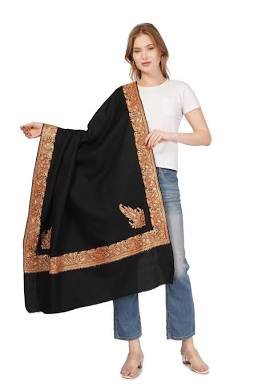
The Case for the Kani Bride: Royal & Graphic Statement
If the bride is wearing a classic royal red, magenta, or deep jewel-toned velvet lehenga, a full Jamawar Kani shawl is an unmatched choice.
- The Look: It exudes an imperial, Mughal-court aura. The patterns are dense, colorful, and visually graphic.
- The Drape: Because the design is part of the weave structure rather than stitched on top, Kani wraps remain completely uniform in thickness. They drape effortlessly over the head or pleat cleanly over one shoulder without adding any bulky stiffness to the bridal silhouette.
- Best For: Grand, traditional palace weddings or luxury winter receptions where the wrap acts as the central showstopping accessory.
The Case for the Sozni Bride: Delicate, Intricate & Ornate
If the bridal attire features incredibly intricate zardozi, fine chikankari, or heavy diamond jewellery, a Sozni piece offers a softer, highly detailed counter-balance.
- The Look: Sozni embroidery specializes in microscopic floral creepers (Jaal) and classic paisleys (Kalka). The borders can be incredibly delicate, blending seamlessly into pastel shades like ivory, mint, blush pink, or lavender.
- The Drape: The embroidery adds a subtle, reassuring weight to the cashmere. It catches the venue lighting beautifully because of the multi-directional silk embroidery threads stitched onto the matte wool base.
- Best For: Morning Anand Karaj ceremonies, sophisticated sangeet nights, or brides who appreciate subtle luxury over bold color contrasts.
Artisan Preservation Tip: Whether you choose the structural tapestry of a Kani loom or the timeless needlework of a Sozni artisan, verify that your piece carries the official government Geographical Indication (GI) security label. This ensures your purchase directly rewards the traditional master craftsman who preserved this heritage for your special day.
Frequently Asked Questions (FAQs)
1. Which variety is typically more expensive?
While both require months of manual labor, a full-body Jamawar Kani shawl generally commands a higher entry price than a standard Sozni piece. This is because Kani requires two weavers to sit in absolute synchronization at a loom for up to three years, decoding a complex written script text (Talim). If a single weaver makes a mistake in the thread count, the entire structural pattern is ruined.
2. Can you find a shawl that combines both techniques?
Yes, they are rare but highly coveted! Master craftsmen occasionally create hybrid luxury wraps where a plain Pashmina fabric features a handwoven Kani border panel at both ends (Palla), while the central open body is beautifully filled with intricate, hand-stitched Sozni floral motifs.
3. How do I clean a bridal Kani or Sozni wrap after the wedding?
Never expose fine hand-loomed cashmere to a home washing machine or standard commercial detergents. The friction will destroy the delicate fibers and unravel the hand-stitched threads. Always opt for professional dry cleaning at a trusted heritage cleaner who specializes in premium pashmina care. Store the item wrapped in a breathable cotton muslin cloth inside a dry chest, away from direct moisture or plastic storage bags.
See Also
Kashmir Sozni Embroidery
How Much Does a Real Kani Shawl Cost? 2026 Price & Buying Guide