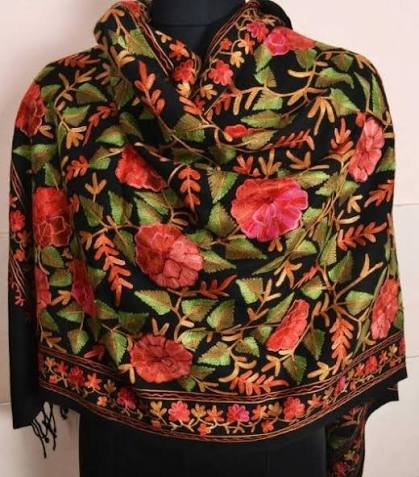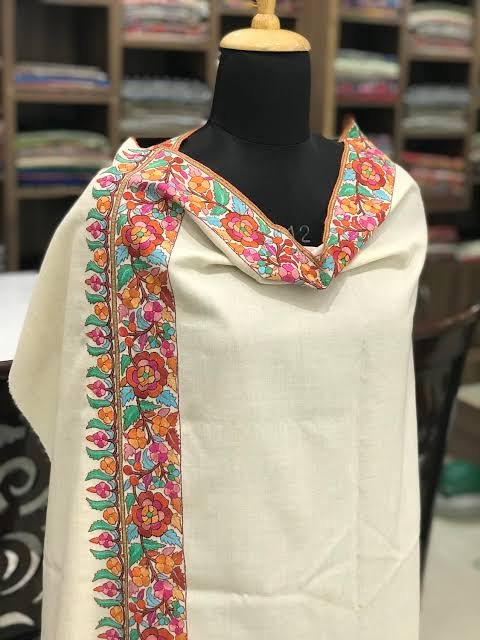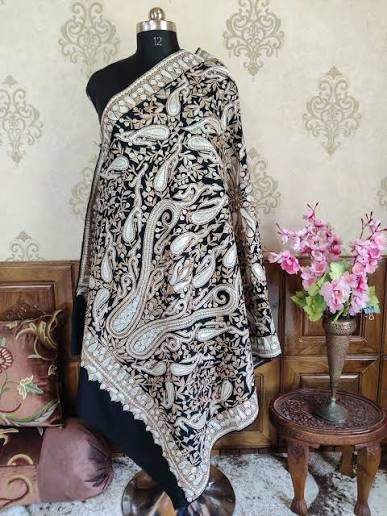

So, you’re packing your bags for that long-awaited winter vacation abroad. Whether you’re heading to catch the cherry blossoms in a crisp, rainy London spring, exploring the snow-covered streets of Switzerland, or walking through a misty morning in Tokyo, you’ve probably laid out your finest winter wear. Naturally, your prized Kashmiri pashmina shawl is sitting right at the top of the packing stack. It’s light, it’s effortlessly beautiful, and it keeps you incredibly warm.
But as you look at the weather forecast predicting sudden afternoon showers or heavy snowfall, a vital question pops up in your mind: is pashmina water resistant or waterproof?
Before you pack that luxury heirloom wrap into your cabin bag, let’s look past the confusing jargon used by online sellers. When you’re traveling overseas, knowing exactly how your high-end natural fabrics handle unexpected wet weather can mean the difference between looking effortlessly stylish and completely ruining an expensive investment piece. Let’s break down the technical truth about how this delicate fabric handles moisture.
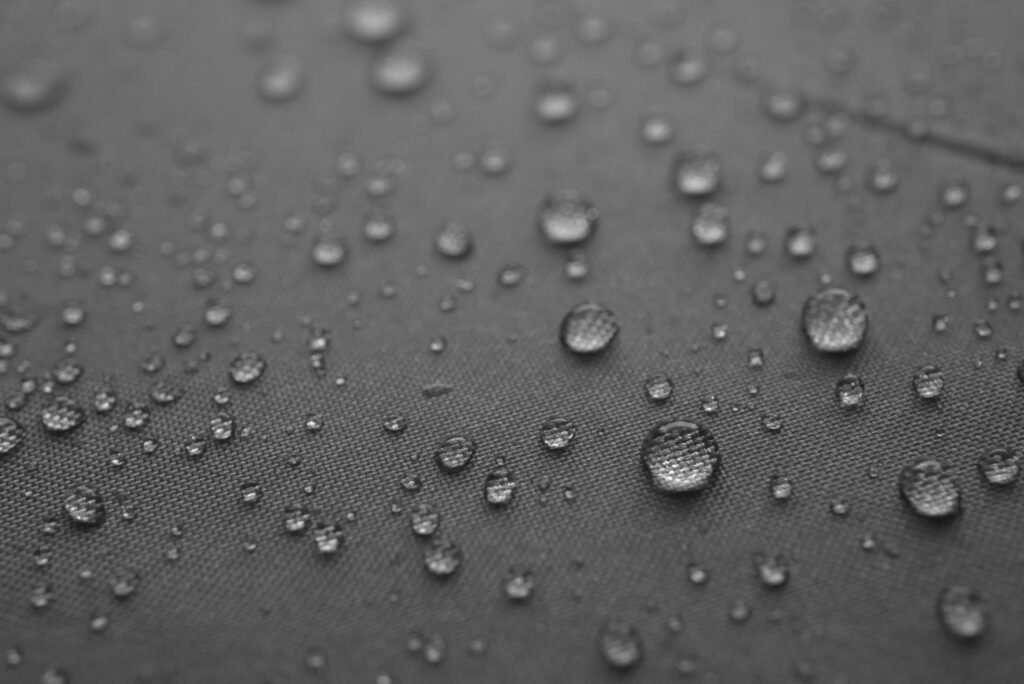
Featured Snippet: Is Pashmina Water Resistant or Waterproof ?
No, pure pashmina is neither waterproof nor water-resistant. Because it is a natural, highly porous organic hair fiber, it absorbs moisture instantly. Getting a pashmina soaked will cause the fine hand-spun yarns to stretch, lose shape, and potentially develop a musk odor.
The Fabric Science: Why Pashmina Absorbs Moisture Instantly
To understand exactly why the answer to “is pashmina water resistant or waterproof” is a resounding no, we need to take a quick look at the science behind the fiber. Genuine pashmina is harvested from the underbelly of the Changthangi goat, which thrives in the high-altitude, freezing regions of Ladakh.
Unlike synthetic winter materials like polyester, nylon, or acrylic—which are plastic-based and engineered to repel water droplets—pashmina is made up of pure animal protein.
The Cellular Structure of Changthangi Goat Hair
At a microscopic level, pashmina fibers are incredibly thin, measuring between just 12 and 15 microns in diameter. For context, a human hair is roughly 70 microns wide! These ultra-fine fibers are highly porous, hollow, and covered in microscopic scales.
- When Dry: The hollow structure traps air beautifully, creating a natural thermal barrier that locks in your body heat. This is why a paper-thin wrap keeps you warmer than a thick synthetic sweater.
- When Wet: Those same porous pathways act like millions of micro-sponges. Instead of letting water slide off the surface, the fabric drinks up rain, melting snow, or high humidity instantly.
Because it lacks the natural water-repellent oils (lanolin) found in heavier sheep’s wool, it has zero defensive barrier against external liquids.
The “Waterproof Pashmina” Myth: Debunking Counterfeit Online Vocabulary
If you’ve been scrolling through online shopping sites or walking through tourist markets abroad, you might have run across items labeled as “water-resistant pashmina travel wraps” or “all-weather waterproof pashmina shawls.”
Let’s clear this up directly: These claims are completely false.
When a seller tells you that a wrap is a waterproof pashmina, they are usually trying to sell you one of two things:
- A Cheap Synthetic Fake: The wrap is actually made of polyester, nylon, or acrylic coated with a chemical water-repellent layer. While it might shed rain droplets, it won’t provide the signature lightweight warmth of real wool, and it will likely leave you feeling sweaty and uncomfortable.
- A Heavily Treated Blend: The item might contain a minimal amount of low-grade wool blended with heavy synthetic fibers that have been treated with a temporary waterproof spray. This coating washes away after a single cleaning, leaving you with a stiff, ruined textile.
Real, authentic luxury textiles are never marketed as waterproof. True luxury lies in the natural breathability and thermal properties of the fiber, which inherently require delicate care and protection from wet weather.

What to Do If Your Expensive Kashmiri Wool Shawl Gets Wet in the Rain
We’ve all been there: you’re out exploring a gorgeous historic city, and a sudden downpour hits before you can open your umbrella. If your precious wrap gets caught in a sudden downpour, don’t panic! While getting soaked is definitely not ideal, taking the right steps immediately can prevent long-term damage and keep the delicate handloom yarn intact.
Here is your emergency step-by-step rescue sequence to save a wet pashmina while traveling:
1.Do Not Wring or Twist:Immediate Action.
When pashmina fibers are completely wet, their tensile strength drops significantly. Never twist, wring, or squeeze the shawl tightly to get the water out. Twisting the fabric will warp the delicate weave, permanently stretching out the yarns and leaving your shawl completely misshapen.
2.The Towel Roll Method:Moisture Extraction.
Lay a clean, dry, light-colored cotton towel flat on a hard surface like a bed or a table. Place your damp shawl flat on top of the towel. Slowly and gently roll the towel up with the shawl inside, creating a log shape. Press down gently along the roll. The dry cotton towel will safely absorb the excess water from the wrap without placing any stress on the delicate wool fibers.
3.Dry Flat Indoors:Evaporation Phase.
Unroll the towel and move the shawl to a fresh, dry surface. Lay it out completely flat on a drying rack or a dry towel indoors. Make sure it is away from direct sunlight, radiators, or heating vents. Intense, direct heat will dry out the natural protein fibers too quickly, making them brittle, stiff, and prone to breaking.
4.Aerate to Prevent Odors:Final Recovery.
Because wet wool can quickly develop a damp, musty smell if left folded, keep the room well-ventilated. Let it dry completely at its own pace. Once it is 100% dry, give it a gentle shake to restore the natural fluffiness of the weave.
Travel Packing Guide: Protecting Fine Fabrics on International Trips
If you are planning a trip to a destination known for unpredictable weather—like Scotland, Iceland, or northern Europe—you don’t have to leave your favorite wraps at home. You just need a smart packing strategy to keep your delicate winter wear safe from unexpected moisture.
1. Use Zippered Waterproof Packing Cubes
Never pack your fine wool items loosely inside your suitcase alongside damp shoes or liquid toiletries. Store your shawls inside airtight, plastic zippered bags or waterproof packing cubes. This simple step shields your luxury pieces from potential luggage leaks, spills, or dampness during transit.
2. The Smart Layering Method
When you’re out exploring a city, wear your pashmina as an inner insulating layer underneath a windproof and waterproof outer jacket. This gives you the best of both worlds: the pashmina keeps your core warm and cozy, while the technical outer jacket shields the delicate fabric from rain or heavy snow.
3. Always Carry a Compact Umbrella or Tote Bag
If you enjoy wearing your shawl as an outer layer over your shoulders for photos, always keep a compact, lightweight umbrella or a waterproof tote bag in your backpack. If the skies start to look gray, you can quickly fold your wrap up, slide it safely into the dry bag, and switch over to your rain gear before the first drops fall.
Technical Comparison: Pashmina vs. Other Winter Travel Fabrics
To show you exactly how pashmina compares to other popular travel fabrics when it comes to moisture and weight, let’s look at this quick breakdown:
| Fabric Type | Is it Water Resistant? | Weight & Packability | Best Suited For |
| Pure Pashmina Wool | No (Highly Porous) | Ultra-lightweight, folds flat | Dry cold, indoor layers, fine dining, flights |
| Merino Sheep Wool | Slightly (Contains natural lanolin) | Medium weight, slightly bulky | Active outdoor hiking, cool dry climates |
| Polyester Fleece | Yes (Synthetic fiber) | Bulky, takes up suitcase space | Heavy rain, snow sports, casual activewear |
| Nylon / Gore-Tex | Yes (100% Waterproof) | Lightweight but crinkly | Heavy downpours, high-wind winter storms |
As you can see, while synthetic materials win the battle against heavy rain, nothing matches the lightweight packability and high warmth-to-weight ratio of a genuine luxury wrap. The key is simply knowing when and where to wear it.
Frequently Asked Questions (FAQs)
1. Can a light snowfall ruin my kashmiri wool shawl?
A few light, dry snowflakes won’t instantly ruin your shawl. If you’re out in dry, freezing air, you can easily brush the snowflakes off the surface before they have a chance to melt into the fabric. However, if you’re out in wet, heavy snow close to the freezing point, the snow will melt quickly upon contact with your body heat, soaking into the fibers. In that scenario, it’s best to pack the shawl away in a dry bag.
2. Is it safe to use a hair dryer on a wet pashmina to speed up drying?
No, using a hair dryer directly on a wet pashmina is highly discouraged. The concentrated blast of hot air can cause the delicate, wet fibers to shrink unevenly or become brittle. Always let the fabric dry naturally at room temperature using the towel roll method mentioned above.
3. Why does my wrap smell a bit strange after getting damp?
Because pashmina is a 100% organic animal protein fiber, it behaves very similarly to human hair. When it gets wet, the moisture opens up the microscopic scales along the fiber, releasing a natural, slightly musky organic scent. This is completely normal and isn’t a sign of a fake product. Once the shawl dries completely in a well-ventilated space, the smell will naturally go away.
4. Can I use a water-repellent spray on my luxury shawl?
Please avoid using commercial waterproof or stain-guard sprays on a pure cashmere or pashmina wrap. These sprays contain harsh chemicals and synthetic polymers that coat the fibers, locking out air. This completely destroys the fabric’s natural softness, alters its fluid drape, and ruins its breathability.
See Also
The Science Behind Pashmina Certification – Inside the Lab! Wildlife Institute of India
How is Pashmina Shawl Made | What is Pashmina, How Long Does it Take, Why is it so Costly
How to Wash Pashmina Shawl at Home Safely: The Ultimate Guide